Warehouse Technology Trends for 2025
Today, rapid change in warehouse technology is setting new standards for speed, accuracy, and efficiency. Companies feel the push for more intelligent automation and digital solutions that cut both costs and errors. As we look towards the future, understanding Warehouse Technology Trends for 2025 becomes essential.
2025 is shaping up to be a big year for automation systems, AI-powered platforms, and integrated devices like sensors and wearables. These tools help teams manage inventory, optimize workflows, and keep up with the fast pace of e-commerce. This post breaks down the key tech trends, including the Warehouse Technology Trends for 2025, that will shape warehouse operations in 2025 and shows how modern tools can help supply chains work better than ever.
Warehouse technology is transforming so fast that what seemed futuristic just a couple of years ago is now part of everyday operations. Automated systems are tackling repetitive work, speeding up goods movement, and letting people focus on higher-value tasks. It isn’t just about cutting costs; it’s about getting orders out faster, increasing accuracy, and making better use of valuable space. As more companies face rising labor costs and shrinking margins, intelligent automation is shifting from a “nice to have” to a “must have.” Here’s where automation is making the most significant impact right now.
Autonomous Mobile Robots (AMRs) and Automated Guided Vehicles (AGVs)
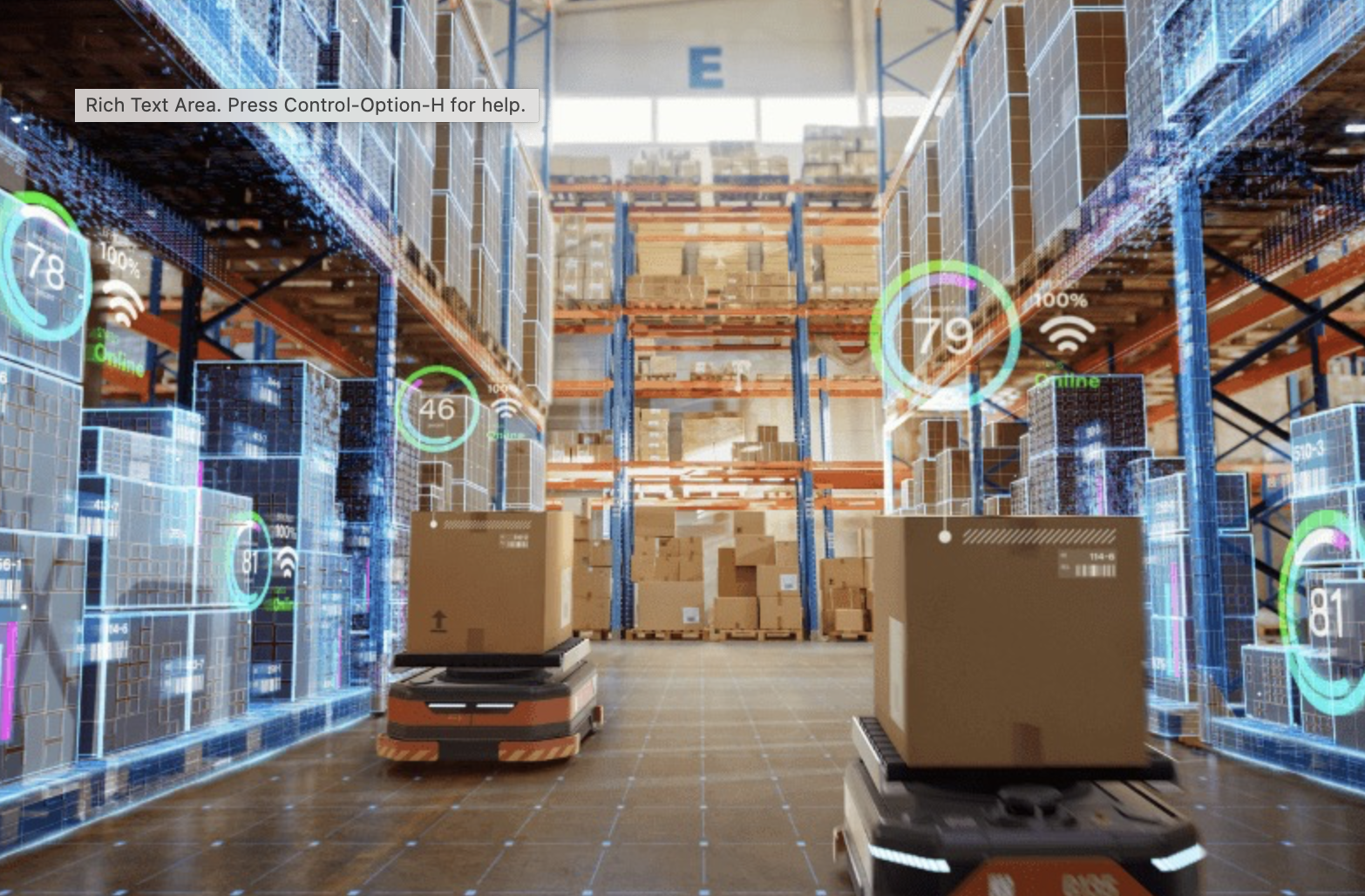
AMRs and AGVs are changing how goods move inside modern warehouses. These self-driving vehicles—like robotic carts, forklifts, and tuggers—handle the constant flow of inventory with almost no human input.
- Movement and transport: AMRs navigate independently, zipping between work zones, picking up bins or pallets, and delivering them to the right spot. They rely on onboard sensors and AI, so route changes and obstacles rarely slow them down.
- Picking and replenishment: Many systems combine AMRs with mobile picking stations. Instead of workers walking miles each shift, robots bring the necessary items directly to staff for fast, accurate order picking.
- Cutting manual labor: AGVs follow set paths for simple jobs, like moving pallets from receiving to storage. This reduces strain and fatigue, often replacing hours of repetitive walking or driving.
Automated Storage and Retrieval Systems (ASRS) and Vertical Solutions
ASRS and vertical storage technology are making warehouse technology more efficient from the ground up. These systems use a mix of robotics, conveyors, and smart sensors to store and retrieve goods with pinpoint accuracy, aligning with the Warehouse Technology Trends for 2025.
- Goods-to-person robotics: Instead of workers hunting through aisles, ASRS delivers products right to the workstation. This shrinkage of travel distances makes both small and large warehouses faster and more productive.
- Vertical reciprocating conveyors (VRCs): These heavy-duty lifts move goods up and down, using every inch of high-bay space. With a VRC, it’s possible to double or triple storage capacity without expanding the building footprint.
- High-density storage: Cube-based ASRS models, like AutoStore, pack goods in tightly stacked bins. Robotic shuttles zip around overhead, picking just the item needed for an order. This saves floor space and slashes picking times.
Inventory tracking becomes real-time and far more accurate. Facilities can take on more SKUs, seasonal surges, and complex orders without chaos.
In short, it means less wasted motion, more reliable processes, and better flexibility to scale up as businesses grow. Automation is no longer optional for developing supply chains—it’s the backbone of the warehouse of the future.
AI, Machine Learning, and Data-Driven Optimization
Warehouses can now rely on artificial intelligence and machine learning to fine-tune daily operations, from what gets restocked to which machines need fixing. By drawing insights from volumes of data, these technologies shape smarter, faster, and more accurate decisions every minute.
AI-Driven Inventory and Demand Forecasting
It has changed how teams handle inventory and plan for what’s next. Instead of reacting to stock shortages or overages, AI (working alongside machine learning algorithms) predicts demand by scanning historical sales patterns, seasonality, promotions, and even market trends. This sharp forecast lets warehouse technology:
- Suggest detailed replenishment schedules to avoid stockouts before they happen.
- Trigger automatic orders for critical items as thresholds are breached.
- Optimize picking routes and bin assignments to reduce worker search time and increase fulfillment.
With faster, more reliable data, companies can shrink excess stock and reduce storage costs. Products get to customers sooner, and warehouses can confidently handle seasonal spikes or shifting buyer habits without scrambling for last-minute fixes.
Operational Analytics and Predictive Maintenance
Data-driven insights go far beyond inventory. Today’s technology uses operational analytics to break down how everything in the facility works—spotting bottlenecks, balancing workloads, and speeding up daily tasks.
- Analytics dashboards put real-time performance metrics in front of supervisors, from throughput to picker speed to error rates.
- AI-powered simulation models test different layouts or staffing levels, often before changes happen on the ground.
- Anomaly detection tools spot outliers, like sudden process slowdowns or unexpected machine stops, before they cause chaos.
Most dramatically, predictive maintenance powered by AI keeps equipment running with fewer disruptions. Sensors feed constant data about vibration, temperature, and motor performance to machine learning models that flag when something looks off. Instead of reacting to breakdowns, teams act ahead of time—scheduling repairs just before issues happen.
The benefits show up right away:
- Less surprise downtime as machines are fixed before they fail.
- Longer equipment life thanks to proactive care.
- Lower repair costs and fewer expensive emergency fixes.
With advanced analytics and predictive tools in place, warehouses can run smoothly, keep costs down, and deliver faster—even as demands grow and shift.
IoT, Real-Time Tracking, and Digital Ecosystems
It isn’t just about machines moving boxes; it’s about creating a connected nervous system that keeps tabs on everything, all the time. From the moment products arrive, IoT and real-time data make it possible to know exactly what’s in the building, where it’s located, and what risks (like spoilage or theft) could threaten its value. Let’s break down how these pieces work together to create smarter, more reliable operations.
RFID, IoT Sensors, and Real-Time Monitoring: Practical Applications
RFID tags, IoT sensors, and real-time location systems are the backbone of digital tracking. These tools do a lot more than count items—they transform how companies handle inventory, prevent losses, and monitor critical conditions.
- Real-time location tracking:
- RFID tags enable teams to track pallets, cases, or even individual items as they move through the warehouse.
- Real-time location systems update software dashboards instantly when stock changes zones or gets picked.
- No more guesswork or searching for missing products—everything is visible with one click.
- Shrinkage reduction:
- Security improves with automated RFID gates that flag unauthorized removals or misplaced goods.
- Instant alerts enable teams to catch theft and loss events before they escalate into significant issues.
- By knowing where every item is at all times, shrinkage rates drop and accuracy climbs.
- Environmental monitoring:
- IoT sensors monitor temperature, humidity, and air quality across all storage zones.
- Sensitive products (like food or pharmaceuticals) stay in the right conditions at every step.
- Environmental data feeds into predictive maintenance schedules, helping catch issues before they affect inventory.
These technologies don’t just add control—they free up teams to manage by exception, so people can focus on fixing real problems instead of endless inventory checks or surprise audits.
Integrated Software: WMS, ERP, and TMS
A truly connected facility uses integrated software, linking Warehouse Management Systems (WMS), Enterprise Resource Planning (ERP), and Transportation Management Systems (TMS). This software “nervous system” brings together data from every part of the operation, powering quick decisions and smooth workflows.
- Inventory, Order, and Shipping Synchronization:
- Inventory data from RFID and IoT sensors flows into the WMS, updating stock counts in real time.
- ERP software pulls this data into company-wide reports, giving finance, sales, and supply chain teams clear visibility without double entry.
- TMS platforms use accurate inventory positions to plan shipping, assign carriers, and predict delivery times.
- Workflow automation and error reduction:
- Barcodes, RFID, and real-time updates automate routine tasks—order picking, replenishments, cycle counts—minimizing human touches and mistakes.
- Managers can spot bottlenecks or delays before they spread across the workflow.
- Integrated dashboards offer a single view of orders, inventory, and shipping, making it easy to prioritize urgent tasks.
- Better decisions with unified data:
- Data doesn’t get stuck in silos, so teams make faster, more intelligent choices.
- Predictive analytics spot trends, guide stocking decisions, and flag issues while they’re still easy to fix.
- The warehouse becomes an active hub in the supply chain, not a black hole where goods and information disappear.
Seamless integration between RFID, IoT, and central software means warehouse technology isn’t just running in the background—it’s actively supporting better business results, every day.
Energy-Efficient Practices and Renewable Integration
Companies now invest in intelligent building systems that learn, adjust, and automate energy use almost in real-time. Here are the most common upgrades powering greener operations today:
- Innovative HVAC systems: Old heating and cooling setups operate at a fixed level, regardless of warehouse size or real-time needs. Smart HVAC, powered by sensors and data, detects where temperatures need adjusting and fine-tunes output. This drops energy bills and keeps products at steady temperatures.
- LED lighting with sensors: Warehouses are swapping out traditional bulbs for LED fixtures wired to occupancy and daylight sensors. Lights turn on only when people are nearby, and adjust brightness based on natural sunlight. It’s a low-cost move with a significant impact on energy savings.
- Rooftop solar panels: Renewable energy is no longer a dream. Many warehouses now use vast rooftops for solar panels, generating clean power on-site. Some facilities offset a large share of their electricity needs this way and even feed extra power back into the grid.
- Energy management systems (EMS): New platforms track real-time energy use by zone or even machine. Teams can spot problem areas instantly, schedule big equipment during off-peak hours, and catch issues before they cause waste.
- Automated temperature control for specialized zones: Cold storage and temperature-sensitive areas now rely on robotics and AI for tight controls, which keep goods safe and reduce wasted power.
These tools help warehouses cut operational emissions, stay ahead of regulations, and support corporate goals for sustainability—all while lowering costs.
Circular Supply Chains and Reverse Logistics
Instead of a one-way ticket from supplier to customer, today’s systems support circular models where goods, parts, and packaging are reused, refurbished, or recycled.
- Automated return hubs: High-tech “dark stores” and robotic return centers allow companies to process high volumes of returned products quickly. Automated scanning, sorting, and grading help get reusable items back to new customers fast.
- AI-driven decision platforms: Intelligent software predicts the best path for every returned item—whether it should be resold, refurbished, recycled, or safely disposed of. This reduces landfill waste and speeds up the recovery of usable goods.
- Blockchain for end-to-end traceability: Transparency is key in the circular supply chain. Blockchain records every step in a product’s life, making it easier to see what can be salvaged or reused and helping companies prove their sustainability claims.
- Innovative packaging and reusable materials: Packages are now designed for easy return, re-use, or recycling, and often labeled with trackable codes that link to inventory systems.
- Data analytics to cut returns and spot problems: By watching return rates and reasons in real time, companies can make smarter decisions about future designs, reduce fraud, and meet customer needs better while avoiding waste.
Leading brands, from electronics to clothing, now run their own refurbished product programs, extending product life and slashing resource use.
Emerging Innovations and Workforce Transformation
New tools don’t just automate—they genuinely upgrade how people perform and interact with their environment. Modern operations rely on a collaboration between humans and machines, where innovation boosts both productivity and worker well-being.
Drones and Wearable Devices
- Drone surveillance: Drones patrol warehouse aisles and storage areas, acting as aerial overseers. They check for security concerns and monitor restricted zones. This means instant alerts if something is out of place, improving site safety without extra foot patrols.
- Inventory accuracy: Using mounted cameras and RFID scanners, drones scan racks high above the floor, checking stock levels and flagging missing items. They handle tedious inventory counts in a fraction of the time, reducing errors and freeing staff from repetitive, risky climbing.
- Rapid response: In the event of a spill, fire, or safety violation, drones can quickly assess the situation and relay real-time video. This shrinks response times and supports faster, more intelligent decision-making.
Wearable devices are just as powerful on the ground as drones are in the air:
- Smart wearables: Devices like voice-controlled headsets, smartwatches, and AR glasses guide workers through tasks—no more looking down at paper pick lists or handheld scanners.
- Productivity: Real-time prompts help workers pick faster, cut mistakes, and find the best routes around busy aisles. Fatigue monitoring systems give gentle alerts if an employee needs a break, supporting both safety and output.
- Safety: Wearables track movement and posture, sending reminders to lift correctly or avoid unsafe areas. With panic buttons or location beacons, help arrives fast if there’s an injury or accident.
Collaborative Robots (Cobots) and Workforce Augmentation
Cobots fit right into workflows, handling the repetitive, heavy, or precision-based tasks so that team members can focus on jobs that need problem-solving and adaptability.
- Ergonomics support: Cobots lift, move, and position goods, slashing the risk of injuries and strain. They step in for the heaviest or most repetitive parts of a shift, keeping staff healthier and reducing physical burnout.
- Efficiency boost: These robots bridge gaps between picking stations, sort shelves, or scan barcodes at light speed. Workers and cobots team up, with machines handling the grunt work and people overseeing, adapting, and improving processes.
- Flexibility: Cobots can be reprogrammed for new tasks as demands shift. This agile approach means a warehouse can adjust to new SKUs or seasonal changes without a complete retool.
- Training and upskilling: With cobots in place, human workers get to learn new skills—maintenance, programming, or system oversight. This turns routine jobs into career opportunities.
In practice, a cobot might follow a picker along an aisle, automatically stopping where needed and carrying items back to packing areas. Instead of racing the clock, workers focus on quality, safety, and creative problem-solving.
Early adopters gain a clear edge—they process orders faster, cut mistakes, and keep costs down even as expectations grow. Tools like AI, robotics, and connected systems bring sharper insights, making it easier to adapt when demand shifts or new challenges pop up.
By building warehouses that think and learn in real time, companies can scale, stay flexible, and compete at the top. The best part? These advances don’t just help businesses profit—they also support a safer workplace and a greener supply chain.