Industrial Property Development in South Africa
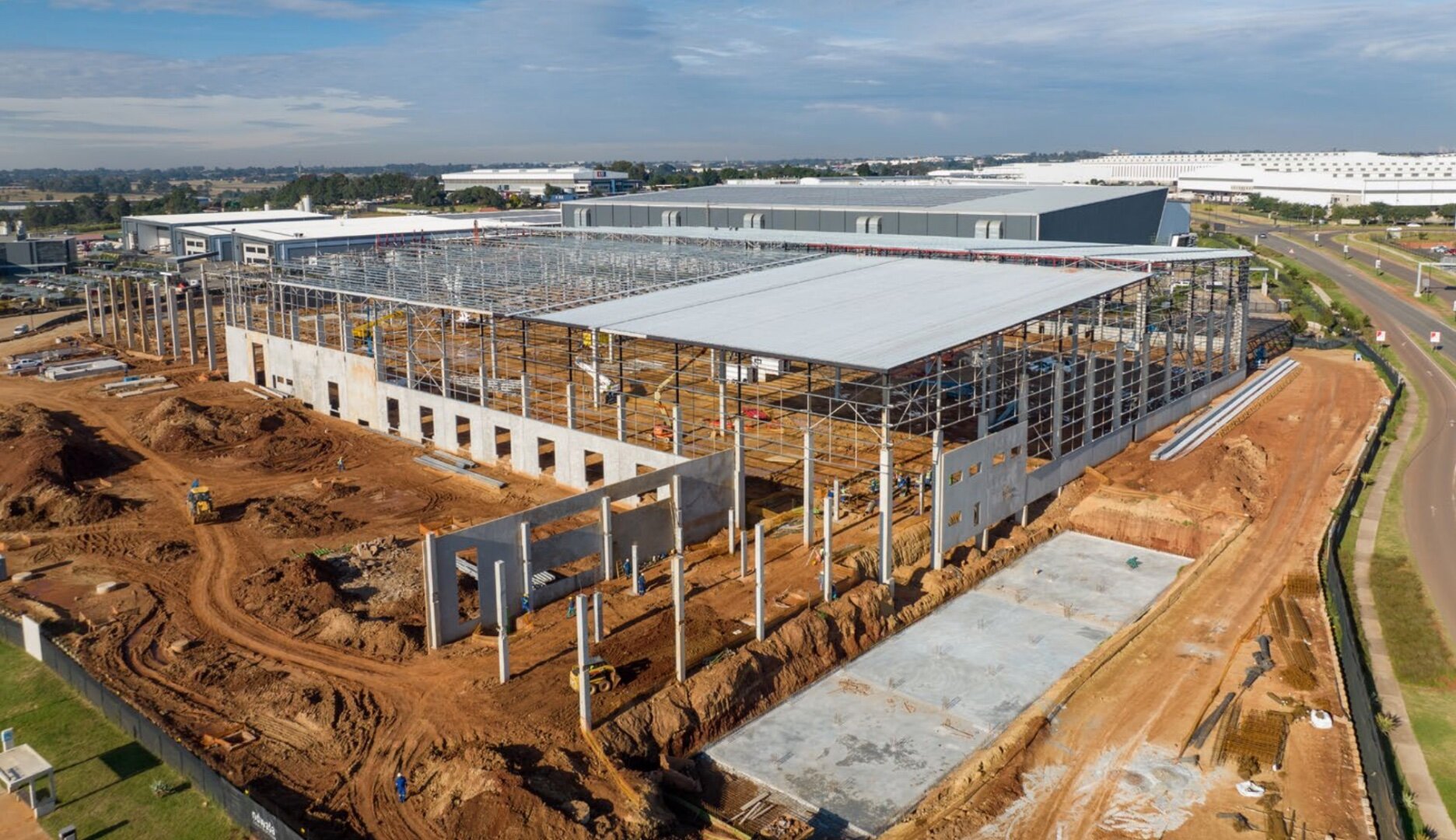
The Resilient Rise of Industrial Property Development in South Africa
South Africa’s industrial property sector has emerged as a beacon of resilience and growth within the broader commercial real estate landscape. Despite facing economic headwinds and evolving market dynamics, this segment continues to attract significant investment and demonstrate robust performance. The confluence of factors such as the burgeoning e-commerce sector, strategic infrastructure development, and a persistent demand for modern logistics and warehousing facilities has propelled industrial property to the forefront of the nation’s real estate narrative.
This comprehensive article delves into the intricate facets of industrial property development in South Africa, exploring key trends, market performance, regional hotspots, and the inherent challenges and opportunities that define this dynamic sector. We aim to provide an in-depth analysis for investors, developers, and stakeholders seeking to understand the underlying drivers and future trajectory of this vital economic contributor.
Key Trends Driving Growth
Several powerful trends are currently shaping the industrial property market in South Africa, each contributing to its sustained growth and attractiveness. A primary driver is the explosive growth of e-commerce. The shift in consumer behavior towards online shopping has created an insatiable demand for warehousing and logistics facilities. Companies require efficient, well-located distribution centers to manage inventory, fulfill orders, and ensure rapid delivery. This has led to a significant uptake in large-format warehouses, often exceeding 5,000 square meters, designed to accommodate sophisticated automation and streamlined supply chain operations.
Another critical factor is infrastructure development. Government and private sector investments in road networks, ports, and other logistical infrastructure are enhancing connectivity and reducing transportation costs. Improved infrastructure facilitates the movement of goods, making strategically located industrial parks even more appealing for businesses. This is particularly evident in key economic hubs where access to major transport arteries is paramount.
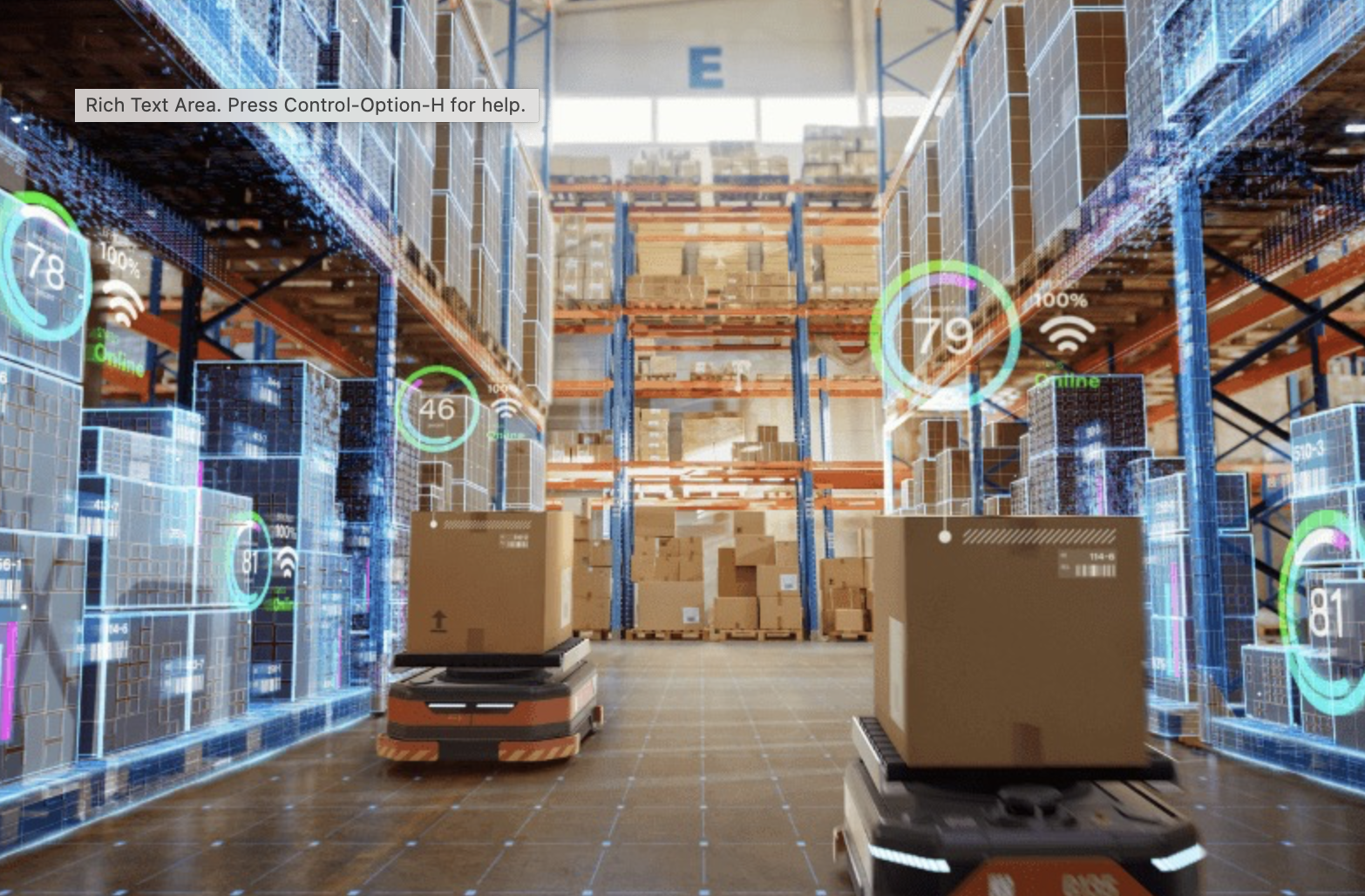
Furthermore, there is a clear trend towards consolidation into large, mega-warehouses. Businesses are increasingly opting for larger, more centralized facilities to achieve economies of scale, optimize their supply chains, and integrate advanced logistics technologies. This move away from smaller, fragmented storage solutions underscores a broader industry shift towards efficiency and technological integration. The demand for modern, high-specification industrial spaces that can support advanced automation and efficient material handling is consistently high.
Finally, sustainability and green building practices are gaining significant traction. Developers are increasingly incorporating environmentally friendly designs and technologies into new industrial developments. This includes features such as energy-efficient lighting, solar power installations, rainwater harvesting systems, and waste management solutions. Beyond environmental benefits, green buildings often offer long-term operational cost savings and appeal to businesses committed to corporate social responsibility, thereby enhancing the value proposition of such properties.
Market Performance and Statistics
The South African industrial property market has demonstrated robust performance, characterized by sustained rental growth and remarkably low vacancy rates. In the first quarter of 2025, nominal gross market rentals for industrial spaces of approximately 500 square meters experienced a significant increase of 7.3% compared to the first quarter of 2024. This growth rate is particularly noteworthy as it exceeds the prevailing consumer price inflation, indicating a healthy and appreciating market.
Vacancy rates within the industrial sector have remained consistently low, averaging around 3.6% in Q3 2024 and 3.7% in Q4 2024. These figures are well below the long-term average of 4.2%, underscoring the strong demand and limited availability of industrial space across the country. This tight market condition is a key indicator of the sector’s resilience and attractiveness to investors and businesses alike. Provinces such as Pretoria and the Surrounds, and Cape Town, have exhibited some of the lowest average vacancy rates, highlighting their status as highly sought-after industrial hubs.
From an investment perspective, the industrial property sector has delivered stellar returns. Accounting for 11% of the MSCI index, industrial properties outperformed other commercial real estate segments with a total return of 15.1%, a notable increase from 11.3% in 2023. This strong performance positions industrial property as a leading asset class within the South African real estate market.
The overall commercial real estate market in South Africa is projected to reach a value of US$372.35 billion in 2025. While this encompasses all commercial segments, the industrial sector is a significant contributor to this valuation, driven by its consistent demand and strong rental growth. The broader South African real estate market, including residential, was valued at USD 51.69 billion in 2024 and is expected to grow to USD 71.72 billion by 2033, with the industrial segment playing a crucial role in this expansion.
Regional Hotspots
While the South African industrial property market exhibits overall strength, certain regions stand out as particularly active and attractive for development and investment. Robust economic activity, strategic logistical advantages, and a concentration of industrial and commercial enterprises typically characterize these hotspots.
Gauteng Province, particularly the greater Johannesburg and Pretoria areas, remains the undisputed industrial powerhouse of South Africa. Its central location, extensive road and rail networks, and proximity to major consumer markets make it a prime location for distribution centers, manufacturing facilities, and logistics hubs. Areas like the East Rand (e.g., Germiston, Boksburg) and the West Rand continue to see significant development, driven by demand for modern warehousing and logistics facilities. The low vacancy rates in Pretoria and its surrounds further underscore the demand in this region.
Western Cape Province, with Cape Town as its economic nucleus, is another key industrial hotspot. The region benefits from its port facilities, serving as a gateway for international trade, and its growing population and economic diversification. Industrial nodes such as Epping, Philippi, and the burgeoning areas around the Cape Town International Airport are experiencing strong demand, particularly from sectors like food and beverage, retail, and light manufacturing. The focus on sustainability and green building practices is also prominent in new developments within the Western Cape.
KwaZulu-Natal Province, centered around Durban, is crucial due to its status as home to one of Africa’s busiest ports, Durban Harbour. This makes it an indispensable hub for import and export businesses, driving demand for warehousing and logistics facilities. Areas like Hammarsdale, Cato Ridge, and the Dube TradePort Special Economic Zone are witnessing substantial industrial development, catering to the needs of freight forwarding, manufacturing, and distribution companies. The province’s strategic position along major trade routes ensures continued interest in its industrial property offerings.
These regional hotspots are not only attracting new developments but are also seeing existing industrial parks undergo upgrades and expansions to meet the evolving demands of modern businesses. The availability of skilled labor, access to utilities, and supportive local government initiatives further enhance their appeal to industrial property developers and tenants.
Challenges and Opportunities
Despite the promising outlook, the South African industrial property sector is not without its challenges. One significant hurdle is the persistently high interest rates. Elevated borrowing costs can impact the feasibility of new developments and expansions, making financing more expensive for developers and potentially slowing down the pace of new construction. This also affects the affordability for businesses looking to lease or purchase industrial space, as higher interest rates can translate into increased operational costs.
Another challenge stems from the lingering effects of the post-COVID-19 recovery and muted domestic growth. While the industrial sector has shown resilience, the broader economic environment in South Africa can influence business confidence and investment decisions. A sluggish economy can lead to reduced demand for industrial goods and services, which in turn might temper the need for new industrial facilities.
Furthermore, infrastructure constraints in certain areas, despite overall improvements, can still pose a challenge. Issues such as reliable electricity supply (load shedding), water availability, and efficient transportation links remain critical considerations for developers and businesses. These factors can impact operational efficiency and add to the cost of doing business, making some locations less attractive despite their strategic positioning.
However, these challenges also present significant opportunities. The demand for modern, high-specification logistics and warehousing facilities continues to outstrip supply. This creates a strong incentive for developers to invest in new, purpose-built industrial parks that incorporate advanced technologies, sustainable features, and flexible designs to meet the evolving needs of tenants. The shift towards larger, more efficient mega-warehouses is a direct response to this demand, offering opportunities for developers to create state-of-the-art facilities.
The growth of e-commerce remains a powerful opportunity. As online retail penetration deepens in South Africa, the need for sophisticated logistics networks and last-mile delivery centers will only intensify. This trend is driving innovation in warehouse design and location strategy, favoring properties that offer excellent connectivity and proximity to urban centers [1, 2].
Moreover, the increasing focus on supply chain optimization and resilience by businesses globally is benefiting the South African industrial property market. Companies are re-evaluating their supply chain strategies, often opting for localized production and storage to mitigate risks associated with global disruptions. This can lead to increased demand for manufacturing and distribution facilities within South Africa.
Developers who embrace environmentally friendly construction and operational practices can attract a growing segment of tenants who prioritize sustainability, potentially commanding higher rentals and achieving better long-term asset performance.
The industrial property development sector in South Africa stands as a testament to adaptability and strategic growth within a dynamic economic landscape. Driven by the transformative power of e-commerce, ongoing infrastructure enhancements, and a clear market preference for modern, efficient logistics facilities, the sector continues to demonstrate remarkable resilience. Low vacancy rates and consistent rental growth underscore a robust demand that shows no signs of abating, positioning industrial properties as a strong asset class for investors.
While challenges such as high interest rates and broader economic uncertainties persist, they are largely overshadowed by significant opportunities. The continuous evolution of supply chain demands, coupled with a growing emphasis on sustainable development, provides fertile ground for innovation and value creation. Regional hubs like Gauteng, the Western Cape, and KwaZulu-Natal remain pivotal, drawing investment and development due to their strategic locations and economic vitality.
For developers, investors, and businesses alike, understanding these intricate dynamics is crucial. The South African industrial property market is not merely expanding; it is evolving, demanding foresight, strategic planning, and a commitment to modern, sustainable practices. As the country navigates its economic trajectory, the industrial property sector is poised to remain a critical engine of growth, facilitating trade, supporting commerce, and contributing significantly to the national economy.
Deeper Dive into E-commerce Impact
The profound impact of e-commerce on industrial property cannot be overstated. The rapid expansion of online retail has fundamentally reshaped supply chain requirements, moving away from traditional large-scale retail distribution to a more decentralized, agile model. This necessitates not only larger central warehouses but also a network of smaller, strategically located urban logistics hubs for efficient last-mile delivery. The demand is not just for space, but for highly specialized facilities equipped with advanced automation, robotics, and sophisticated inventory management systems.
These modern warehouses are designed for high throughput, enabling faster processing of orders and reducing delivery times, which is crucial for meeting consumer expectations in the digital age. Furthermore, the rise of reverse logistics, driven by online returns, adds another layer of complexity and demand for dedicated space and processes within these industrial facilities. This continuous evolution of e-commerce operations ensures that the demand for cutting-edge industrial property will remain robust, pushing developers to innovate in design and functionality.
The Role of Infrastructure in Connectivity
Infrastructure development is not merely about building roads; it encompasses a holistic approach to connectivity that includes port expansions, improved rail links, and efficient road networks. For instance, the ongoing upgrades at major ports like Durban and Cape Town are critical for facilitating international trade, directly impacting the demand for industrial warehousing in their vicinities.
Similarly, investments in national road corridors enhance the efficiency of goods movement across provinces, making inland logistics hubs more viable. The development of Special Economic Zones (SEZs) around these infrastructure nodes further incentivizes industrial development by offering tax benefits and streamlined regulatory processes.
These integrated infrastructure improvements reduce logistical costs, improve supply chain predictability, and ultimately enhance the competitiveness of businesses operating within these industrial areas, making them highly attractive for new investments and expansions.
The Drive Towards Modernization and Efficiency
The trend towards consolidation into mega-warehouses is intrinsically linked to the broader drive for modernization and operational efficiency. Older, fragmented industrial spaces often lack the clear heights, floor loading capacities, and column spacing required for modern automated systems.
New developments are purpose-built with these specifications in mind, allowing for vertical storage solutions, automated guided vehicles (AGVs), and robotic picking systems. This focus on efficiency extends to energy consumption, with many new facilities incorporating innovative building technologies for optimized lighting, temperature control, and security.
The ability to integrate technology seamlessly is a key differentiator for new industrial properties, offering tenants significant operational cost savings and improved productivity. This pursuit of efficiency is a continuous cycle, as technological advancements create new opportunities for optimization, further fueling the demand for state-of-the-art industrial spaces.
Sustainability as a Value Proposition
Beyond regulatory compliance and corporate responsibility, sustainability in industrial property development has become a significant value proposition. Green buildings are increasingly seen as a competitive advantage, attracting tenants who are committed to reducing their environmental footprint and achieving their sustainability targets.
Features such as solar photovoltaic (PV) installations not only reduce reliance on the national grid and mitigate the impact of load shedding but also offer long-term operational cost savings through reduced electricity bills. Rainwater harvesting systems and efficient water management minimize utility costs and enhance water security, a critical consideration in water-scarce regions.
The use of sustainable building materials and waste recycling during construction also contributes to a positive environmental image. These sustainable practices enhance the asset value of industrial properties, improve tenant retention, and align with global trends towards a greener economy, making them a sound long-term investment.
Analyzing the Numbers: A Closer Look at Market Performance
The impressive 7.3% nominal rental growth in the first quarter of 2025 is a clear indicator of the sector’s strength, but a deeper analysis reveals further nuances. This growth is not uniform across all industrial property types. High-specification logistics and warehousing facilities, particularly those located in prime logistical nodes, are commanding premium rentals and experiencing the most significant appreciation. In contrast, older, less modern industrial stock may see more modest rental growth.
This bifurcation in the market highlights the importance of asset quality and location in driving investment returns. The sustained low vacancy rates, hovering around 3.6-3.7%, are a direct consequence of the supply-demand imbalance. While new developments are coming online, the pace of new construction is struggling to keep up with the voracious demand from the e-commerce and logistics sectors.
This supply constraint is expected to persist in the short to medium term, providing a solid foundation for continued rental growth and strong investment performance. The stellar 15.1% total return for industrial property in the MSCI index not only surpasses other commercial property segments but also underscores its appeal as a defensive asset class, capable of delivering attractive returns even in a challenging economic environment.
Unpacking the Dynamics of Regional Hotspots
The concentration of industrial activity in Gauteng, the Western Cape, and KwaZulu-Natal is a reflection of their unique economic ecosystems. Gauteng’s dominance is rooted in its position as the economic heartland of South Africa, with a dense population and a high concentration of businesses. The province’s extensive infrastructure and connectivity make it the natural choice for national distribution centers and large-scale manufacturing operations.
The Western Cape’s appeal lies in its well-managed infrastructure, growing export-oriented economy, and a strong focus on innovation and technology. The province is attracting significant investment in sectors such as renewable energy, agri-processing, and technology, all of which require specialized industrial facilities. KwaZulu-Natal’s strategic importance is inextricably linked to the Port of Durban, the busiest container port in sub-Saharan Africa. The province is a critical gateway for international trade, driving demand for warehousing, freight forwarding, and logistics services.
The development of the Dube TradePort as a multi-modal logistics platform further enhances the region’s attractiveness. Beyond these major hubs, smaller, secondary nodes are also emerging, often driven by specific local industries or infrastructure projects. These regional dynamics create a diverse and multifaceted industrial property market, offering a range of investment opportunities across the country.
For more insights on industrial property development in South Africa, please feel free to contact Currie Group.