
Green Building Certifications in South Africa 2025: Build Sustainably
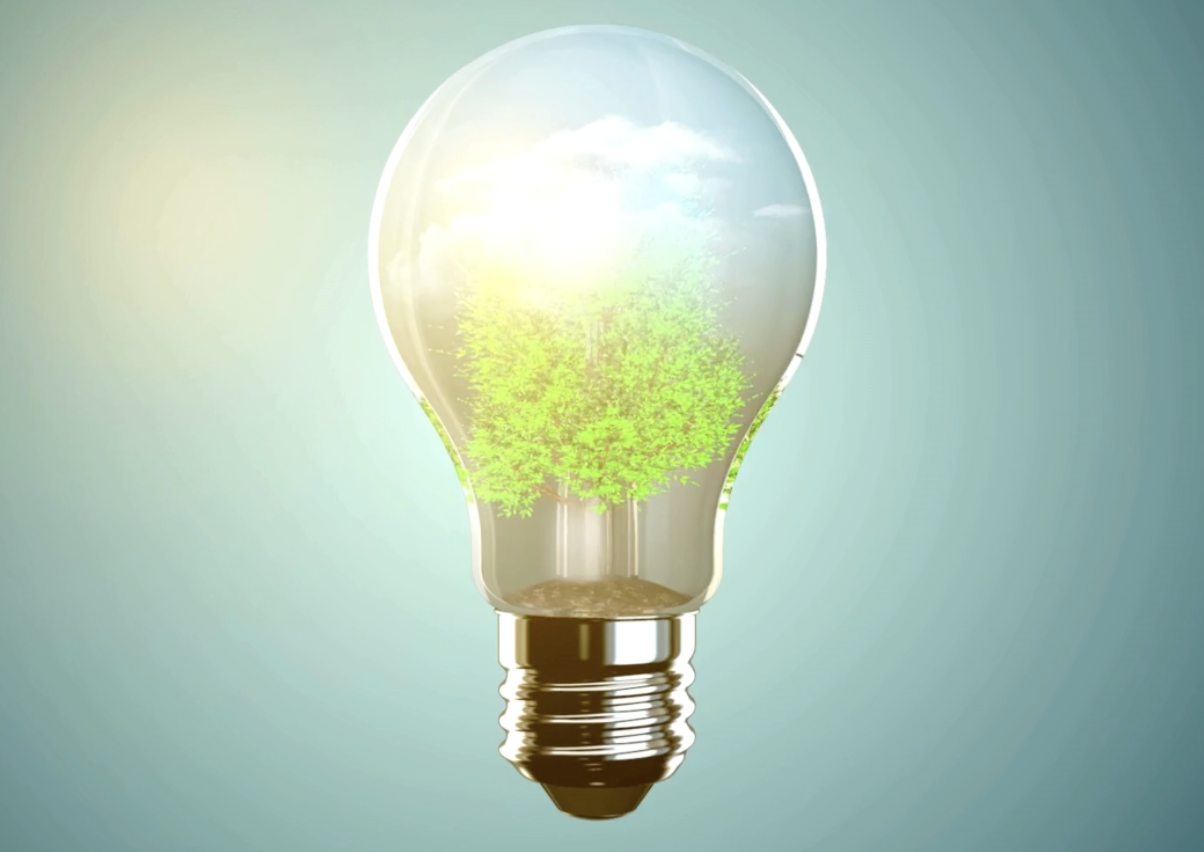
Green Building Certifications in South Africa: Your 2025 Guide to Smarter, Sustainable Construction
Green building certifications are helping leaders build better spaces, save energy, and create healthier places to live and work. Today, green building isn’t just for eco-enthusiasts or large firms—it’s a priority for those who want to cut costs, boost property values, and make a real difference.
Meeting these standards means more than bragging rights. Certified buildings use less water and electricity, produce less waste, and offer improved comfort. These advantages are key in a country where tight resources and utility costs keep rising. With local and global projects setting a new standard, understanding South Africa’s top certifications gives you a clear edge, no matter your role in property, design, or development.
Understanding Green Building: Key Principles and Local Challenges
Green building is more than a trend—it’s becoming the new normal for smart construction in South Africa. Implementing eco-friendly ideas can save money and prepare buildings for the future. But it’s not just about what looks good on paper. Good intentions must match South Africa’s real needs and unique challenges.
Core Principles of Green Building
At the heart of green building are a few simple but powerful ideas. These guide every choice, from the first drawing to the final coat of paint:
- Efficient use of resources: Every drop of water and every kilowatt counts. Green buildings use the least they can, without cutting corners on comfort.
- Waste reduction: Smart planning keeps waste to a minimum, and much of what remains can be reused or recycled.
- Healthy indoor spaces: Clean air, lots of sunlight, and safe materials all work together to keep people healthy.
- Low environmental impact: Green projects try to protect nature and slash their footprint, both in how they’re built and how they’re run.
- Built for the long haul: Durability matters. Good design means fewer fixes, better resistance to the weather, and more value over time.
Many designers also put special care into making buildings that work with local landscapes, weather, and cultures, so every project fits its surroundings.
Unique Challenges in South Africa
South Africa has some tough obstacles on the road to greener building. These local hurdles shape every stage of construction:
- Water scarcity: Many towns and cities face regular droughts. Cutting water use is not an option—it’s a necessity. Features like rainwater tanks, greywater reuse systems, and drought-resistant landscaping help every drop count.
- Unstable energy supply: Power cuts and high costs mean that saving electricity is more than about going green—it’s about staying open for business. Solar panels, energy-smart lighting, and backup power solutions keep the lights on.
- Extreme climate diversity: South Africa covers a range of climates—from wet coastal areas to dry inland towns. Designs have to handle both chilly winters and blazing summers, which calls for clever insulation, shaded spaces, and flexible heating and cooling.
- Local building traditions and materials: Builders often rely on local materials, some of which may be less energy-efficient. Shifting to greener products or improving building techniques can improve performance without losing that local touch.
- Budget and skills: Not every team has the same access to training or funds. Affordability matters. Greener solutions need to pay off both now and down the line.
Why Certification Matters Here
Green building certifications aren’t just logos on a wall—they show the building meets real standards for environmental performance. In South Africa, these checks hold builders and owners accountable. With resources stretched thin and costs rising, certified buildings show clients and communities that they’re built to survive and thrive—even when conditions get tough.
Certification helps everyone—buyers, renters, or employers—trust that a space will deliver lower bills, more comfort, and less environmental harm, all while staying strong in the face of South Africa’s unique challenges.
Major Green Building Certifications in South Africa
If you’re looking to certify a green building in South Africa, it pays to know your options. Several major certifications set the bar for sustainability. Each system has its approach, criteria, and best-fit projects. Choosing the right one can shape your project’s reputation, value, and long-term savings. Here’s a breakdown of the big players you’ll see across the country.
Green Star SA
Green Star SA was launched in 2008 by the Green Building Council South Africa (GBCSA). Designed for local needs but based on Australia’s Green Star system, it’s become the gold standard for green certification here.
The system looks at both how buildings are built and how they run over time. Projects don’t just get a pass/fail—they earn points in several areas. The more points, the higher the certification (from 4 to 6 stars).
Assessment categories include:
- Management
- Indoor Environmental Quality
- Energy
- Transport
- Water
- Materials
- Land Use and Ecology
- Emissions
- Innovation
Green Star SA is flexible. It’s used for offices, retail spaces, multi-unit residential, schools, public buildings, and even fit-out projects. Whether you’re breaking ground on a new hospital or updating an office block, there’s a Green Star SA tool for your project.
Key features:
- Recognizes all stages: New builds, existing buildings, and interiors.
- Focused on measurable local impacts—especially energy and water savings.
- Helps buildings appeal to eco-minded tenants and buyers.
EDGE (Excellence in Design for Greater Efficiencies)
EDGE, developed by the International Finance Corporation (IFC), takes a practical approach to green building. It’s simple, affordable, and based on global standards, with tweaks for local conditions. The goal? Push projects to use at least 20% less energy, water, and embodied energy in materials.
EDGE is especially popular for housing but works just as well for offices, hotels, hospitals, and retail. Where other systems dive deep with detailed paperwork, EDGE keeps things user-friendly. It uses an online app for quick modeling and reporting.
How EDGE certification works:
- Register your project online.
- Use the EDGE software to design and track performance.
- Submit for audit by an EDGE-approved local partner.
Why EDGE matters in South Africa:
- Works for both residential and commercial properties.
- Streamlined, making it a good fit for smaller budgets and fast-paced projects.
- Encourages broader adoption of greener buildings, even in places where resources are tight.
With the housing market growing, EDGE helps set new standards for homes and complexes built across the country.
LEED in the South African Context
LEED (Leadership in Energy and Environmental Design) started in the USA but now has a footprint worldwide, including South Africa. Many global brands use LEED to show their commitment to green practices, and their clients and investors know and trust them.
LEED covers many project types—offices, retail, hospitality, education, health, and homes. In South Africa, some key adjustments are needed to reflect the local climate, energy profile, and water supply. However, the main categories remain: sustainable site development, water efficiency, energy use, materials, indoor environmental quality, and innovation.
Applying LEED in South Africa means:
- Adapting standards—like using local materials or adjusting for Eskom’s electricity mix in energy calculations.
- Working with local LEED-accredited professionals who understand both the global and local requirements.
- Often running certifications alongside Green Star SA to meet both international and local benchmarks.
LEED is perfect for projects aiming to attract multinational tenants or investment, or anyone looking to boost a project’s global green credentials.
Summary of why these certifications stand out:
- Each brings credibility and helps future-proof your investment.
- Green Star SA is rooted in South African needs.
- EDGE is a quick, cost-effective route for big and small projects.
- LEED signals commitment to world-recognized green standards.
Choosing the right one depends on your project size, budget, and your audience—whether that’s local occupiers or the international market.
The Certification Process: Steps, Requirements & Costs
Getting a green building certified in South Africa takes some effort, but breaking down the process makes it much less daunting. Whether you’re aiming for Green Star SA, EDGE, or LEED, most certifications follow a similar path—from initial planning to the final plaque on the wall. Knowing what to expect at each step saves you time, money, and a lot of stress.
Step 1: Planning and Team Setup
Certification starts well before construction. Set your project goals early. Assemble a team that knows the ins and outs of your chosen rating system, including a green building consultant or an accredited professional. Their input helps you shape early designs and avoid costly missteps.
Key planning tasks:
- Review rating tools (Green Star SA, EDGE, LEED) and select one that fits your project.
- Set a target rating (for example, aiming for a Green Star 5-star).
- Register your project on the official platform for your chosen system.
- Assign roles, from architects to engineers and sustainability consultants.
Timeframe: Getting your team and strategy in place can take a few weeks. Registration for most systems is quick, often under an hour once you’re ready.
Step 2: Gathering Documentation
A lot happens on paper (or computer) before a single brick is laid. Each certification asks for detailed evidence to prove you’re meeting benchmarks for energy use, water savings, materials, and more.
Typical documents include:
- Building plans and material lists.
- Energy and water models or calculations.
- Proof of sustainable materials (like eco-friendly paints or recycled steel).
- Contracts or records showing waste management and recycling practices.
- Photos, policies, and other project info.
Pro tip: Collect evidence as you go—don’t wait until the end. Good record-keeping makes the whole process easier.
Timeframe: Depending on project size, expect 1–3 months for solid documentation. Large or complex sites may need longer.
Step 3: Application and Submission
With your documentation in hand, it’s time to pull it all together and apply. Each system has its submission methods, but they’re all digital. Projects are uploaded via an online portal.
Key steps at this stage:
- Review all checklists and documents for missing information.
- Submit the full application and pay the relevant fees.
- Await feedback from the certification body (GBCSA for Green Star SA, an EDGE local partner, or the US Green Building Council for LEED).
What to expect: The reviewers may ask for clarifications, so keep your project team available to answer questions.
Timeframe: Application prep and review responses can take another 4–8 weeks.
Step 4: Assessment and Verification
Once submitted, your project goes through formal review. This can include on-site inspections, audits, or video walkthroughs—especially for bigger projects.
What’s usually checked:
- Build quality and installed systems match submitted designs.
- Energy performance in real conditions.
- Indoor air quality and comfort.
- Compliance with local codes and bylaws.
For Green Star SA: A round of independent assessors evaluates your project against the official scorecard. EDGE uses auditors who double-check your savings models and site details.
Timeframe: Reviews and audits typically last 2–6 weeks, but final clarifications can stretch this out.
Step 5: Receiving Your Certification
If you hit the target criteria, your building is awarded its certification. You’ll receive an official certificate, marketing collateral, and permission to use the rating (and sometimes a plaque for your site).
- For Green Star SA: Projects earn 4-, 5-, or 6-star ratings.
- For EDGE: You receive a certified, advanced, or zero-carbon rating.
- For LEED: Certification levels range from Certified up to Platinum.
Celebrating your win: You can now promote your project as green-certified, which offers big marketing and financial benefits.
Timeframe: From start to finish, most projects take between 4–12 months, depending on size and complexity.
Cost Overview
Certification isn’t free, but it’s an investment in long-term savings and higher property values. Costs depend on project size, choice of rating tool, and how much outside help you need.
Typical certification costs:
- Green Star SA: Registration starts around R30,000–R40,000 for most buildings, plus assessment fees that can run between R50,000–R150,000. Add fees for consulting or management if you need expert help.
- EDGE: Entry fees are lower. Registration and auditing for a standard project often totals R25,000–R60,000.
- LEED: International fees are higher, starting around $3,000–USD 5,000 for registration and $0.04–USD 0.05 per square foot (roughly R50,000–R150,000 for most local projects).
You may also spend on:
- Green consultants or accredited professionals.
- Design changes to meet the criteria.
- Better insulation, glass, lighting, or water systems.
Financial Incentives and Paybacks
Many are put off by up-front certification costs, but the long-term payoff is real, especially in South Africa:
- Operational savings: Certified buildings lower water and energy bills.
- Loan products: Some banks offer better interest rates for certified buildings.
- Tax rebates: Larger cities may offer property tax breaks for green projects.
- Market value: Green-certified projects often command higher rents or prices.
Investing in certification means you spend a bit more now, but gain major rewards for years. Certified buildings also stand out in a crowded property market, making the extra steps more than worth it.
Benefits and Impact of Green Building Certifications
Green building certifications do more than just boost a building’s environmental image. They bring real, measurable gains for owners, tenants, neighborhoods, and the planet. In South Africa, where water and power often run short and costs keep climbing, certified green buildings offer practical solutions that pay off every day.
Lower Energy and Water Bills
Certified buildings stand out for their smart use of resources. Owners and tenants enjoy:
- Energy savings: High-performance insulation, efficient lighting, and solar panels cut down on electricity use. Fewer power outages and lower bills keep budgets in check, even when Eskom increases rates.
- Water savings: Features like rainwater harvesting, low-flow taps, and recycled greywater keep usage and costs low. In regions hit by drought, every drop saved prevents headaches and hefty bills.
- Operational efficiency: Smart systems, like motion-sensor lights or advanced irrigation, trim excess without sacrificing comfort.
These savings aren’t small. Studies in South Africa show certified buildings slash energy use by 25% or more compared to standard buildings. Water bills can drop by up to 30%, especially in drought-prone cities like Cape Town or Johannesburg.
Boosted Property Value and Demand
Green building certifications act as a seal of approval that buyers, investors, and tenants trust. This leads to:
- Higher occupancy rates: Companies and homeowners look for spaces that cost less to run and offer healthier environments.
- Better resale value: Properties with certification often fetch higher prices. Developers can sell or lease faster, reducing costly vacancies.
- Stronger investment returns: Green buildings attract long-term tenants and global companies, making them safer investments during market swings.
The green stamp can open doors with banks and insurers, too. Some offer lower interest rates or better terms for certified projects, adding even more value over time.
Improved Health and Comfort for Occupants
A building isn’t just four walls and a roof—it’s a place where people work, live, and breathe. Green-certified spaces deliver:
- Cleaner air: Low-emission paints, non-toxic materials, and improved ventilation mean fewer headaches, allergies, or respiratory problems.
- Daylight and comfort: Large windows and smart layouts boost natural light, lift mood, and improve productivity.
- Consistent temperatures: Superior insulation and smarter heating or cooling mean less discomfort—no more freezing in winter or sweating in summer.
A South African study found that workers in green offices reported 10–20% higher satisfaction with their environment. Happier, healthier occupants mean fewer sick days and higher productivity, which benefits everyone from families to big companies.
Community and Environmental Benefits
Green building certifications reach beyond individual sites—they benefit whole neighborhoods and the planet by:
- Lower carbon emissions: Less energy use means fewer greenhouse gases released. This helps South Africa meet climate goals and national targets.
- Reduced waste: Certified projects recycle building rubble and use materials with less impact. Construction waste is kept out of overflowing landfills.
- Better use of land: Many certifications encourage green roofs, public gardens, or shared outdoor spaces, improving local biodiversity and community well-being.
Public recognition also inspires other developers and owners to go green, spreading the benefits more widely.
Compliance with Laws and Standards
South Africa’s building codes and regulations are getting tougher on energy and water use. Certification helps by:
- Staying ahead of the rules: Certified buildings often already meet or beat local requirements, reducing the risk of costly upgrades.
- Simpler reporting: Certification provides ready-made documentation that proves compliance with new energy, water, or waste regulations.
- Easier permitting: Certified projects may move faster through approval processes, saving months of red tape.
This takes the stress out of keeping up with changing laws and supports long-term operations, without surprise costs down the road.
At-a-Glance: Who Wins with Certification?
The list of winners keeps growing. Here’s how the different groups benefit:
- Owners: Lower running costs, better property values, faster leasing or sales.
- Occupants: Healthier, happier, brighter places to live and work.
- Community: Cleaner air, more green space, and less strain on city services.
- Environment: Less pollution, waste, and loss of natural habitat.
Green building certifications aren’t just another trend—they’re a practical way forward for anyone looking to build smarter, save money, and create lasting value in South Africa.
Choosing the Right Green Building Certification for Your Project
Not all green building certifications fit every project. Choosing the right option depends on your site, budget, and what you want the building to do over the years. Some options work best for big offices in city centers, while others are perfect for a small home or a mixed-use development. Knowing what to look out for now saves headaches later.
Factors to Consider: Building Type, Budget, Long-term Goals
When sorting through your certification options, it helps to break the process into three simple parts:
1. Building Type
Different certifications favor different building uses. Here’s how it usually plays out:
- Offices, retail, schools, hospitals: Green Star SA is built for these. It covers new builds, renovations, and interiors.
- Houses, apartments, affordable housing: EDGE works well. It’s popular for residential and quick-turn projects, but also fits commercial spaces.
- Large international buildings or global tenants: LEED carries more global weight and works best for signature developments.
Small projects, like a single home or a community clinic, might find Green Star SA challenging due to its detailed process and higher costs. EDGE opens the door for these projects to go green without breaking the bank.
2. Budget
Certification costs add up. Before you start, have a clear idea of what you’re willing to invest. Consider:
- Green Star SA costs more upfront. This is a fit for landmark projects or when you want to send a strong message about environmental commitment.
- EDGE offers lower fees and simple paperwork. It’s the budget-friendly option.
- LEED sits in the middle to high-end. It may suit international projects or brands that need recognition.
Factor in consulting fees, possible design changes, and any premiums for eco-friendly materials. Remember to weigh these costs against long-term savings—lower energy and water bills can pay you back for years.
3. Long-term Goals
Think ahead. Ask yourself:
- Are you planning a quick sale or long-term ownership? Deeper certifications like Green Star SA and LEED increase resale value and attract tenants who want to stay put.
- Do you need international recognition? LEED can open doors with global investors and tenants.
- Looking to market or brand your building as green? All these paths offer trust and visibility, but Green Star SA resonates most with the South African market.
Your goals can also include getting easier municipal approvals, qualifying for green finance loans, or meeting future energy and water standards.
Local Resources and Support for Green Certification
You don’t have to go it alone. Plenty of groups and experts stand ready to help you get certified and keep your project on track. Tap into these South African resources for advice, training, or hands-on support:
Key Organisations
- Green Building Council South Africa (GBCSA): The backbone of green building in the country. They offer Green Star SA certifications, EDGE administration, training for Accredited Professionals, and a directory of certified consultants.
- International Finance Corporation (IFC): Manages EDGE certification worldwide, in partnership with local teams. Start at the EDGE Buildings website for project tools and background.
- South African Council for the Architectural Profession (SACAP): Many architects here have experience in green building practices.
- The South African Institute of Architects (SAIA): Provides training and networking for architects interested in sustainability.
Green Building Consultants and Accredited Professionals
Having an expert on your team speeds up the process. Green Star SA and LEED both require or recommend an Accredited Professional (AP). Find these experts:
- GBCSA professional directory: Lists Green Star and EDGE APs.
- LEED professional database (USGBC website): Search for local LEED APs in South Africa.
Useful Online Resources
A wide range of guides, case studies, and learning tools are online:
- GBCSA website: www.gbcsa.org.za
Find step-by-step guides, scorecards, and local events. - EDGE Buildings (IFC): www.edgebuildings.com
Try out the EDGE software or browse local certified projects. - SAIA’s Sustainability Hub: Regular webinars, articles, and networking events.
- Green Building Africa: News, insights, and project features from around the continent.
- Greening the Future (Mail & Guardian): Highlights best practices and local innovations each year.
Training and Workshops
Whether you want a one-day intro or a deep dive, you’ll find workshops across the country. The GBCSA runs regular courses for architects, engineers, and property managers. Many are now available online.
Support is close at hand, no matter where your project is in South Africa. Use the right connections early in your process to save time, avoid common pitfalls, and set your building up for lasting success.
Conclusion
Green building certifications in South Africa makes a real difference. It helps owners lower their bills, boost property values, and create healthier spaces. These certifications also show buyers and tenants that a building can handle local water and power shortages without losing comfort.
Start by exploring your options, reaching out for guidance, and planning early. Every certified project helps raise the standard for better building in South Africa. Thanks for reading—share your thoughts or success stories and help more people build greener, stronger places to live and work.


