How to Choose the Right Warehouse for Logistics Operations
How to choose the right warehouse for logistics operations: The location, size, and services of a warehouse all play a big role in how well your supply chain runs. With so many options out there, it’s easy to feel lost. This article will help you sort through what matters, so you can find a warehouse that helps your business grow.
Get it wrong, and you’ll face late deliveries, higher expenses, and unhappy clients.
Identifying Your Logistics Needs
Before you start looking at warehouse options, take time to pin down your own logistics needs. The right warehouse for you depends on details about your products, your growth plans, and your day-to-day order flow. Clear answers here will save you time, money, and headaches down the line.
Analyzing Inventory Characteristics
Every product has its own needs, and warehouses aren’t one-size-fits-all. Look closely at your inventory:
- Types of goods: Are you storing palletized items, oversized machinery, small electronics, or bulk materials? Each item has unique space needs.
- Temperature sensitivity: If you handle food, medicine, or chemicals, check if your goods need refrigeration, freezing, or strict climate control.
- Handling requirements: Delicate items need careful packing and gentle movement. Hazardous materials may require compliance with safety standards and documentation.
- Storage methods: Does your stock fit on pallets, shelves, racks, or bins? Some goods, like liquids or powders, might need special containers.
Understanding these points helps narrow your search. If you skip this review, you risk picking a warehouse that can’t manage your products.
Forecasting Volume and Throughput
Think about how much you ship and how fast orders move. This shapes what kind of warehouse fits you now and as you grow.
- Volume estimates: How many pallets, cartons, or units do you move each month? Warehouses price and allocate space based on this.
- Order frequency: Are you shipping daily, weekly, or seasonally? Short bursts may mean flexible space. Consistent volume could mean longer storage contracts and better rates.
- Scalability: If you expect growth—a new product line, season spikes, or market expansion—choose a warehouse that can scale up with you.
Get these numbers as close as possible. Clear data keeps you from picking a space that’s too large (wasting money) or too small (straining your operations as you grow).
Taking a close look at your products and your order flow makes every warehouse tour and contract talk more focused—and leads to better results for your business.
How to Choose the Right Warehouse for Logistics Operations
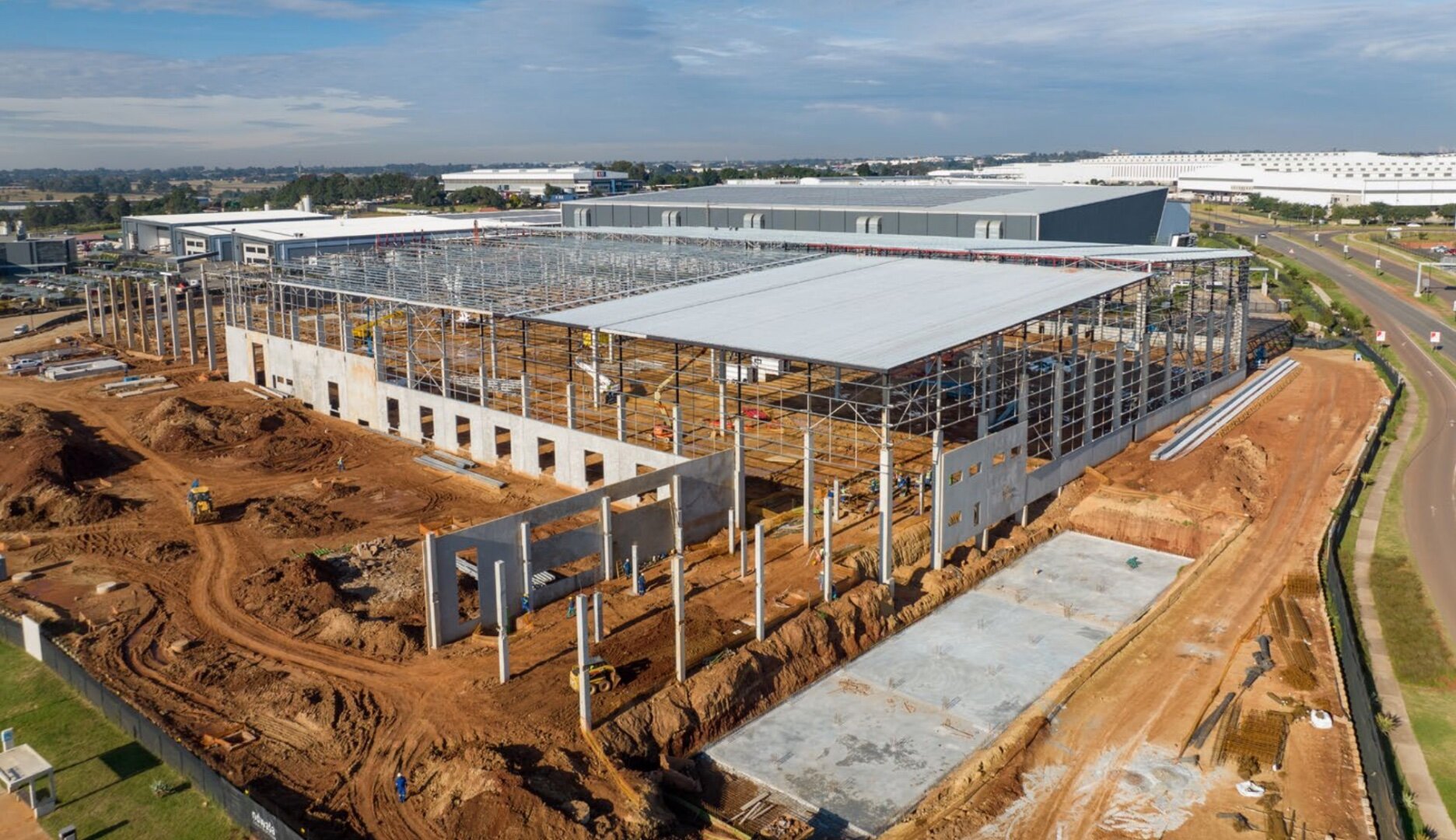
Picking the perfect location for your warehouse shapes how fast you can get products to your customers and how much it costs to do so. It can shrink delivery windows, trim transportation bills, and help you serve new regions before your competitors do. Let’s look at what counts when you’re sizing up possible sites.
Accessibility and Transportation Infrastructure: Assess highway connectivity, intermodal options, and transportation costs
A warehouse is only as good as the roads and rails that connect to it. Location matters, both on a map and on your bottom line.
When you review potential sites, keep these points front of your mind:
- Proximity to highways: How close is the warehouse to major roads? Shorter distances to interstates cut drive time, save fuel, and help your drivers stick to tight schedules.
- Access to ports, rail, or airports: If your shipments move by air or sea—or if you use intermodal transport—look for a spot with quick access to these hubs. Being near a port or rail yard slashes multi-leg shipping times.
- Transportation costs: Shorter routes to your customers, suppliers, and carriers lower your shipping bills. Long or complicated routes add up fast, especially with fuel prices on the rise.
- Traffic patterns: Heavy local traffic can choke deliveries. Ask about congestion, especially during rush hour or around events, and check data for bottlenecks.
- Last-mile delivery: Warehouses closer to your customers mean faster order fulfillment and happier buyers. This is key for e-commerce, where fast delivery often wins sales.
Use tools like Google Maps or route planning software to check average delivery times from each location you’re considering.
Regulatory and Environmental Factors: Include zoning laws, local taxes, sustainability initiatives, and environmental impact concerns
Take a closer look at:
- Zoning rules: Double-check that your planned operations fit the permits available.
- Environmental requirements: More cities want business owners to build green, conserve energy, and reduce their carbon footprints. Look for areas with sustainability policies that line up with your company’s goals.
- Permitting process: Some locations can add months to your timeline if local approval moves slowly. Learn how long it usually takes to clear inspections and get your warehouse up and running.
- Neighborhood compatibility: Community concerns over truck noise or pollution can stall projects; make sure the local area supports logistics facilities before signing any leases.
Always ask your broker or landlord about local ordinances.
Evaluating Warehouse Features and Capabilities
Walking through a warehouse, you quickly realize that no two buildings offer the same setup. The right features can speed up order picking, keep your products safe, and lower your operations costs. Here’s how to break down the features that make (or break) a warehouse’s fit for your business.
Facility Layout and Storage Options
Warehouse layout affects every step of your operation, from unloading to order fulfillment. Smart design speeds up movement and saves money.
Ceiling height matters:
Higher ceilings mean you can build up, not just out. If you need to store pallets multiple layers high, look for clear ceiling heights of 24 feet or more. This helps with vertical racking, lets you store more in the same footprint, and can boost your storage volume without expanding floor space.
Racking systems:
Your choice of racking depends on your product type, weight, and handling needs. Look for adjustable racks if your inventory changes over time. Popular options include:
- Selective pallet racking (flexible and easy to access)
- Drive-in or drive-thru racking (for bulk storage and fewer product types)
- Cantilever racks (for long or bulky items like piping or lumber)
Mezzanines:
A mezzanine is a bonus level that adds storage or office space above your main floor. Mezzanines work well if you need extra room for small parts, picking stations, or order assembly—all without major construction.
Dock doors:
Loading docks keep goods flowing in and out. Count the number of dock doors and check their placement.
More doors help with faster loading, dock height should match your trucks for safe, smooth handling. Take the time to walk the facility, measuring clearances, door widths, and aisle space.
Technology Integration and Automation
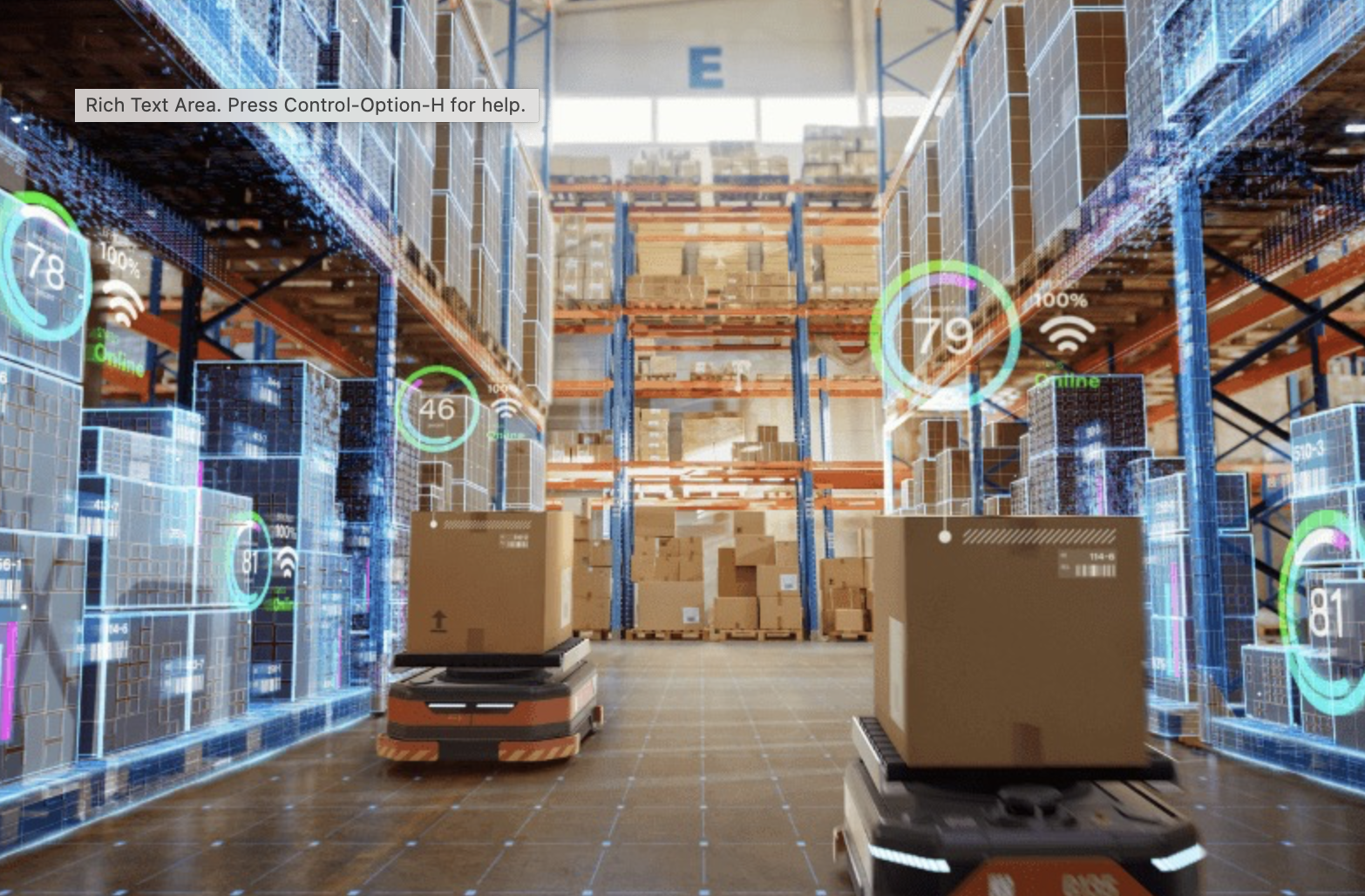
Modern warehouses do more than just offer storage, they use smart tech to work faster and reduce mistakes.
Warehouse Management Systems (WMS):
A solid WMS tracks inventory, sends orders to pickers, and helps you spot problems fast. Look for features like:
- Real-time inventory updates
- Barcode or RFID support
- Mobile device compatibility
A good WMS cuts down on lost inventory and helps you fill orders quicker.
Automation tools:
Robotics, conveyor belts, and automated picking systems are more common than ever. Even small upgrades (like automated labelers) make a difference. Automation can:
- Speed up repetitive tasks
- Reduce errors
- Lower labor costs
Check if the warehouse is ready for your current and future automation needs. Look for a power supply, fiber, and enough space for upgrades.
RFID and barcode tracking:
RFID and barcode scanners track every item as it moves through your warehouse. This tech delivers:
- Faster receiving and shipping
- Lower error rates
- Better reporting and analytics
Make sure any facility you consider matches your day-one needs and can scale as your business does.
Calculating Total Costs and Contract Considerations
The selection goes beyond floor plans and loading docks; cost and contract details shape your final choice just as much as features do. The wrong agreement can lock you in or surprise you with hidden expenses. Knowing what’s in the fine print and what you’ll pay makes it easier to compare options and plan for future growth.
Lease Terms and Flexibility
Picking the right kind of lease means you’re not stuck when your business shifts or grows. You can consult with one of our brokers to walk you through the process.
Types of leases:
You’ll see a few common choices:
- Short-term (month-to-month): These give you freedom if your needs change fast. Good for unpredictable volumes but usually come with higher monthly rates.
- Long-term (1-10+ years): Lower rates lock in your costs, but you’ll commit for longer.
Newly developed warehouses typically operate on net leases. Always clarify what costs are included to avoid unexpected charges later.
Contract length:
Long contracts offer cost stability and may secure better terms or rates. Shorter agreements make it easier to leave or trade up if things don’t work out.
Exit clauses:
Read the section about early termination. Look for clear language on penalties, notice periods, and any conditions you must meet to walk away. Some leases allow you to sublease space if you grow slower than expected.
Scalability options:
Some warehouses offer “flex” clauses so you can expand without breaking your contract.
When reviewing leases, bring these up in your talks:
- Hidden fees for utilities, after-hours access, or extra labor
- Restrictions on changes, like installing racks or adding equipment
- Renewal terms, does the rent go up sharply after year one?
Locking in a flexible deal now saves headaches and money when plans change.
Assessing Service Levels and Support
Security:
Warehouse theft or loss hurts the bottom line. Top buildings offer:
- Surveillance cameras for monitoring
- Controlled entry points to prevent unauthorized access
- On-site security staff, especially in high-risk areas
Ask about insurance coverage if you plan to store high-value goods.
Emergency protocols:
Disasters don’t wait for business hours. Check that the facility has:
- Fire suppression and alarm systems
- Regular safety drills for staff
- Back-up power in case of outages
Quick, organized responses to issues save you from big losses and keep your operations running.
When comparing properties, weigh these service and support levels as carefully as you do price. A good deal on paper loses its shine if you can’t get the support your products need.
Visiting and Vetting Potential Warehouses
Visiting a warehouse in person tells you more than a brochure or online listing ever could. You can spot problems that photos hide, see how staff work, and check if the day-to-day operations fit your needs. Taking the extra step to vet your options helps you avoid costly mistakes and gives you peace of mind in your final choice.
Conducting On-Site Inspections: Share a checklist for facility inspection, including cleanliness, maintenance, and operational flow
Walking the floor, you want to pay attention to the little things that add up to a smooth operation. A simple checklist helps you cover all bases:
- Cleanliness: Look for tidy floors, clear aisles, and well-kept loading docks. Dirt, spilled products, or clutter can lead to messes, lost goods, and safety risks.
- Building Maintenance: Check for broken dock plates, leaking roofs, cracked floors, or peeling paint. Well-maintained plumbing, lighting, and signage are basic but often overlooked.
- Facility Security: Check access points, security cameras, fencing, and how the site screens visitors. Well-lit parking lots and secure truck entries keep people and products safe.
- Fire Safety: Find fire exits, sprinklers, extinguishers, and marked evacuation routes. Ask if the site meets current fire codes and how often they run safety drills.
- Temperature Control: Look for working HVAC, insulated walls, and working fans—especially if your goods need steady temps.
- Pest Control: Signs of rodents or insects (droppings, traps, open food bins) point to a bigger headache down the road.
- Operational Flow: Follow the path products take from receiving to shipping. Note choke points, crowding, or confusing layouts—these slow orders and frustrate teams.
- Loading and Unloading: Count dock doors, look for truck lineups, and see how quickly shipments move. Make sure the dock height matches your vehicles.
- Equipment Condition: Check forklifts, pallet jacks, racking, and conveyor belts for signs of heavy wear, rust, or missing pieces.
Conclusion
Choosing a warehouse is more than finding a place to store your goods. Every step of your decision shapes how well your supply chain works today and years from now.
By looking closely at your needs, comparing locations, weighing features, and checking service quality, you build a stronger foundation for growth. Stay strategic and keep reviewing your setup so it keeps up with your goals.
If you’ve worked through these steps or have tips to share, join the conversation below and contact Currie Group for assistance.