
Triple Net Lease Costs and Benefits: A Clear Guide for Property Owners
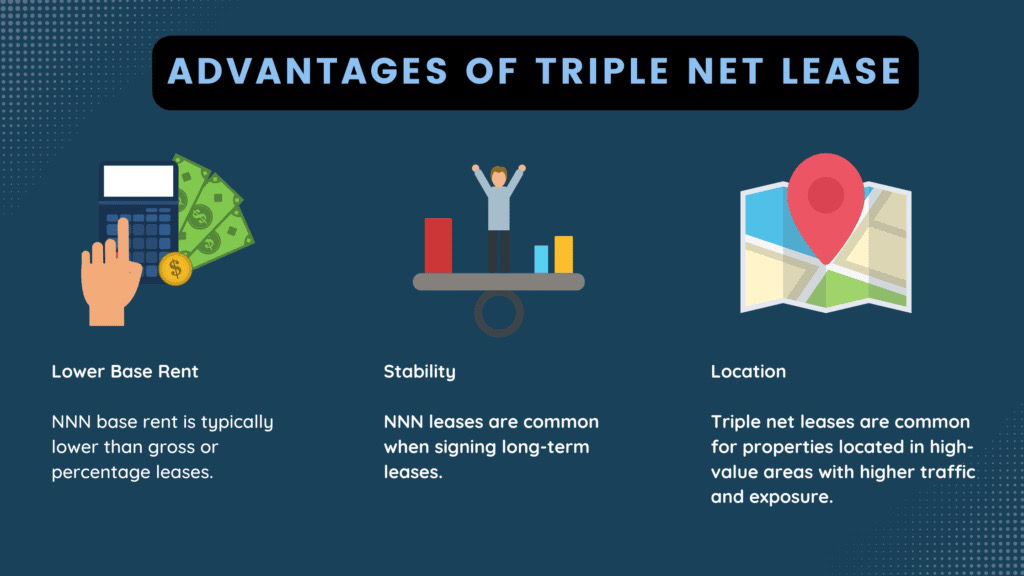
Triple net leases, or NNN leases, play a big part in commercial real estate. They set up a structure where tenants cover taxes, insurance, and maintenance costs on top of rent. This approach lets owners enjoy steady cash flow and fewer day-to-day worries.
If you’re considering this lease type, it’s smart to look at the full picture. NNN leases can mean reliable income but also come with risks and details you shouldn’t overlook. Knowing both the costs and benefits helps owners make smarter, safer decisions about their properties.
What Is a Triple Net Lease?
A triple net lease, often called an NNN lease, is a popular structure in commercial real estate. With this setup, the tenant pays the base rent plus all the property’s operating costs. These costs include real estate taxes, building insurance, and maintenance. This arrangement makes owning commercial property less hands-on for landlords, while tenants take on more day-to-day financial responsibility.
Let’s take a closer look at how a triple net lease stands apart from other lease types and where you’ll usually find this kind of agreement in action.
Comparison to Other Lease Types: Contrast NNN leases with gross and double net leases to clarify distinctions in cost responsibility and management.
Understanding the differences between lease types is important because each approach shifts responsibility for costs and property management. Here’s how NNN leases stack up against others:
- Triple Net (NNN) Lease: The tenant pays rent, property taxes, insurance, and maintenance costs. Owners typically don’t handle everyday building expenses.
- Double Net (NN) Lease: The tenant covers rent, property taxes, and insurance, but the owner still pays for maintenance and repairs.
- Gross Lease: The tenant pays a single lease payment, and the owner covers taxes, insurance, and maintenance.
For property owners, NNN leases mean less direct involvement and a steadier income stream. Tenants get more control but accept more risk tied to variable costs, such as property tax increases or surprise repairs. For more about the mechanics of a triple net lease, check out this explanation from Investopedia.
Common Property Types and Typical Tenants: Discuss where NNN leases are most commonly used (retail, office, industrial), and profile typical tenant attributes (creditworthy, long-term anchor tenants, etc.).
Triple net leases aren’t a fit for every building or business. They show up most often in certain settings:
- Retail Centers: Shopping plazas, stand-alone stores, and other retail sites frequently use NNN leases, especially for large chains or anchor tenants.
- Office Buildings: Single-tenant offices, such as regional banks or satellite corporate offices.
- Industrial Properties: Warehouses and distribution centers, where tenants might want full control of the property’s upkeep.
The typical NNN tenant is:
- Creditworthy: Think national chains or established regional brands—those with strong financial histories.
- Long-Term: Most NNN leases run for many years, providing predictable income.
- Operationally Independent: Tenants prefer to manage property details to fit brand standards or business needs.
These tenants value the freedom to customize and manage the property, while landlords appreciate reliable partners and lower risk. Find more on property types and tenant profiles where these leases thrive in this guide on commercial real estate leases.
Major Costs and Expenses in Triple Net Leases
Triple net leases put most property expenses into the tenant’s hands, offering owners reliable income with fewer surprises. If you’re weighing this kind of setup, it’s smart to know exactly where the money goes. Each major cost shift to the tenant has important details. Owners still hold on to certain expenses, mainly the bones and big-ticket fixes of the property. Here’s how each component typically breaks down.
Understanding Each Cost Component: Break down each major expense—property taxes, insurance premiums, routine and capital maintenance—with owners’ remaining obligations (structural repairs, capital expenditures) noted.
Tenants in NNN leases cover nearly all operating expenses, but it’s not as simple as passing along every bill. Here are the core costs:
- Property Taxes: Tenants pay the full bill for real estate taxes on the building and the land. This can be a large and sometimes fluctuating amount, depending on local tax rates and property revaluations. Owners don’t need to budget for routine tax hikes, but should communicate when taxes rise. Learn more about how these obligations are handled in this property tax guide for NNN leases.
- Insurance Premiums: NNN tenants are responsible for the building’s insurance, which covers hazards like fire, storm, or vandalism. This usually doesn’t include the owner’s liability insurance, which owners often still carry to protect themselves long-term.
- Routine and Capital Maintenance:
- Routine Maintenance (CAM): Tenants pay for day-to-day upkeep, snow removal, landscaping, janitorial work, and minor repairs to common areas. If the building has shared spaces (like parking lots or sidewalks), these costs roll into what’s called Common Area Maintenance (CAM) charges.
- Capital Expenditures (CapEx): Big-ticket items such as roof replacement, foundation work, or installing a new HVAC system sometimes fall to the owner, depending on lease language. Many leases spell out that tenants do not cover these structural repairs, leaving owners responsible for keeping the building’s core systems sound. For a deeper breakdown, see this explanation on typical landlord responsibilities in triple net leases.
Owners benefit from reliable rent and minimal day-to-day duties but need to stay alert for large repairs. Getting clear about who fixes what—and who pays—can head off trouble for everyone. If you’re looking for details on both the risks and advantages, check out this solid overview on the benefits and risks of triple net leases.
Knowing the true breakdown of these costs is key to running a NNN property with confidence and clarity.
Key Benefits of Triple Net Leases for Owners
Triple net (NNN) leases give property owners advantages that stand out in commercial real estate. Owners enjoy reliable, hands-off income, fewer headaches, and stronger investor appeal. This section explains exactly why so many property owners look for NNN lease deals.
Impact on Cash Flow and Risk Management
NNN leases take the guesswork out of owning commercial property. Because tenants handle property taxes, insurance, and maintenance, owners enjoy steady income with far fewer surprise bills.
- Stable and Predictable Income: Owners know what rent they’ll receive each month. Since tenants pay most property expenses, owners face fewer unexpected costs.
- Lower Operational Risk: Major building bills don’t land in the owner’s lap. Spikes in taxes or sudden repair costs go straight to the tenant. This setup protects the owner’s bottom line.
- Minimal Day-to-Day Management: NNN properties often run themselves. Owners step back from daily operations, cutting the need for property managers or frequent calls with tenants.
- Expense Transparency: Lease terms spell out exactly what tenants pay. This clarity helps owners avoid confusion or disputes over who’s responsible for which costs. For a deeper dive on how NNN leases boost cash flow reliability, see this comprehensive pros and cons list.
Because tenants handle fluctuating expenses, owners can plan with confidence. Many see these leases as a path to long-term, low-maintenance passive income, similar to setting a clock and letting it run.
Attractiveness to Investors and Financing Advantages
NNN properties have a strong reputation with investors and lenders. Their built-in stability makes them a favorite choice for anyone looking for steady returns without active involvement.
Here’s why:
- Consistent Returns: The rent stream is steady. There’s less risk of big, surprise costs cutting into profits.
- Ideal for Institutional Investors: Pension funds, insurance companies, and family offices often target NNN leased buildings because of the minimal landlord duties and the reliable income. Many see these properties as “bond-like” real estate.
- Easier Financing: Lenders like predictability. When a high-quality tenant handles all major expenses, banks consider loans less risky. This can translate into better terms or higher loan-to-value ratios for borrowers.
- Lower Cap Rates for Credit Tenants: Properties with long-term, creditworthy tenants—like national retailers—often trade at lower cap rates. This shows the high demand and lower risk profile of these assets. Get more insight into what attracts investors by exploring this breakdown of NNN investments’ appeal.
- Securitization Potential: The dependable cash flow and “set it and forget it” approach make these leases easier to package and sell, much like bonds in a portfolio.
Owners benefit from simplified ownership and an asset class that’s always in demand from a broad set of investors.
This combination of reliability and hands-off income is tough to find elsewhere, making NNN leases a top pick for owners who want real estate rewards without the usual hassles.
Potential Risks and Challenges for Owners
Even with all the upsides, triple net leases are not without risks. These agreements can expose owners to pitfalls that may hit hard if ignored. Staying aware of changing market data, keeping a watchful eye over assets, and understanding the factors that make or break your returns will reduce surprises. Let’s look closer at the real challenges owners face and how to stay ahead.
Market Trends and Cap Rate Fluctuations
Cap rates and market demand can shift fast, impacting property values and owner profits. Even the safest-seeming NNN asset can lose value when larger trends move.
- Cap Rate Volatility: Cap rates—the measure of expected return—go up when investor demand drops or risk rises. In 2024, cap rates mostly held steady, but changes in interest rates or economic outlook can quickly shift the scene. When cap rates rise, the market value of your property usually drops, and it becomes harder to sell at top dollar.
- Decreased Investment Volumes: When fewer deals get done, it signals more caution from investors. Slower sales can mean tougher times for owners looking to cash out or refinance.
- Geographic Hot Spots: Certain areas attract more NNN buyers—think urban retail corridors or booming suburbs. Demand for NNN leases can cool in slow-growth regions, leaving owners stuck with long vacancies or weaker offers.
- Tenancy Risk by Location and Sector: Property type and tenant industry (retail, office, industrial) factor into cap rate shifts. Retail chains facing hard times or remote work trends in office markets can bump risk and slice values overnight. For a crash course on how cap rates shape your investment, see A Beginner’s Guide to Cap Rates for the CRE Professional.
Staying up to date on local data, not just national numbers, gives you the edge. Compare deals often and watch for sector-specific slowdowns—small signs now can turn into big headaches later.
Long-Term Asset Management Considerations
Owning a NNN property doesn’t mean ignoring it. Keeping tenants and assets healthy needs planning, routine oversight, and real-world data.
- Tenant Quality and Default Risk: Even major brands can downsize or face bankruptcy. If your sole tenant fails, you could face months of lost rent. Smart owners review tenant financials yearly, watch company news, and keep tabs on the market.
- Property Condition and Maintenance: While tenants pay for upkeep, not all do it well. Deferred maintenance can lead to property wear, hurting value, or causing problems at lease-end. Scheduling regular site checks and requiring detailed expense records from tenants keeps surprises to a minimum.
- Lease Renewal and Vacancy Risk: Long-term leases are great until they expire. If a tenant leaves, re-leasing could mean long vacancies or rent cuts in a slow market. Starting renewal talks early and sweetening extensions (when needed) limits downtime. Building relationships with tenants also helps spot exit risks before they happen.
- Data Analytics and Due Diligence: Automating rent collection, maintenance records, and lease tracking helps flag risks sooner. Owners using property management software catch late payments or skipped repairs quickly. Strong records also support higher appraisals when refinancing or selling.
- Due Diligence at Purchase: Not every risk can be fixed after closing. Always start with deep due diligence—review environmental reports, rent rolls, lease terms, tenant credit, and CAPEX history. For a checklist of risks and how to handle them, check out this rundown of the drawbacks of triple net leases.
Owning NNN assets rewards discipline. Monitoring performance and staying tight with your tenants keeps risks and surprises under control. Those who judge each deal for what it is, not what it could be, ride out the bumps the best.
Best Practices for Owners Entering NNN Investments
Triple net leases put owners in a position to enjoy steady income, but smart owners know that successful NNN investing is about more than just signing a lease. The best returns come from fine-tuning the deal terms, checking tenant quality, and using modern tools to spot issues before they snowball. Here’s how owners can strengthen their position from the start.
Negotiating Favorable Lease Terms: Tips on structuring leases to protect landlord interests—clear maintenance definitions, escalation clauses, credit enhancements, and lease duration.
The strength of your triple net investment often depends on getting the lease right from day one. A tight, thorough lease protects your cash flow and reduces surprises.
- Define Maintenance and Repair Duties: Spell out exactly which expenses the tenant covers (think day-to-day cleaning, landscaping, HVAC maintenance) and which the owner handles (typically major structural repairs or replacements). Ambiguity leads to conflicts; get specific in writing.
- Include Escalation Clauses: Build in rent increases to keep pace with inflation and rising expenses over the lease term. Annual rent bumps—often pegged to the Consumer Price Index (CPI) or set at 2-3%—keep returns strong and prevent rent from falling behind market rates.
- Add Credit Enhancements: For peace of mind, require tenant guarantees, security deposits, or even a letter of credit. Backup guarantees from a parent company can be smart when you’re dealing with franchisees or smaller entities.
- Focus on Lease Duration and Renewal Options: Longer leases (10-20 years) provide more stability, but include clear rules for renewals and rent escalations in those option periods. Consider break clauses or early termination penalties to discourage unexpected exits.
- Set Expense Caps: For costs like property taxes or insurance, you may want to set caps on charges tenants pay, or outline exactly what is and isn’t included. This avoids fighting over sudden hikes or gray areas mid-lease.
To see a practical checklist that covers these points and more, check out this detailed due diligence checklist for NNN lease investments.
Leveraging Data Analytics and Technology: Show how owners can use data tools for site selection, performance monitoring, and property management.
Owners who use data and technology sense problems early and run smoother operations. Today’s software and analytics give you more control over your investment with less hassle.
- Site Selection with Data Tools: Use platforms that analyze traffic patterns, local demographics, and comparable rents to pick sites that match high-demand trends. These insights boost your odds of long-term tenant success and rising property value. Learn more about market analysis essentials in this comprehensive market analysis guide for NNN investments.
- Ongoing Performance Monitoring: Install digital dashboards to track rent collection, maintenance timelines, and tenant compliance in real time. Automated alerts let you know if rental payments run late or if maintenance slips, so you can act fast.
- Maintenance Management: Smart property management systems, like Buildium, let both owners and tenants file, track, and resolve repair requests online. This builds trust and keeps operations transparent.
- Document Management: Store leases, inspection reports, and tax forms in cloud-based platforms. Quick access to these records speeds up financing, insurance claims, or a quick sale.
- Predictive Analytics: Some modern property platforms can flag when a tenant’s business trends down, or alert you to unusual spending on repairs, before it becomes a bigger financial risk. Explore more trends in property management technology tools.
Owners don’t have to guess anymore—they can use real-time data to make solid decisions. Investing in the right tech tools saves time, reduces stress, and lets your team focus on growth, not paperwork.
Conclusion
Owning a property with a triple net lease means most costs and daily tasks fall to the tenant, while owners collect steady rent and face fewer surprises. Reliable tenants turn these deals into simple, low-touch real estate investments. Owners still need to watch the big stuff—like major repairs and tenant quality—but get the benefit of clearer cash flow and less hands-on work.
Success with NNN leases comes down to knowing the details before you sign, tracking your property, and building strong agreements. This lease style suits owners who want more freedom and investors who value steady returns. If you’re thinking about NNN ownership, weigh your risk comfort and goals first and chat to our leasing team.
Thanks for reading—if you’ve worked with NNN properties or have questions, share your experiences below.


