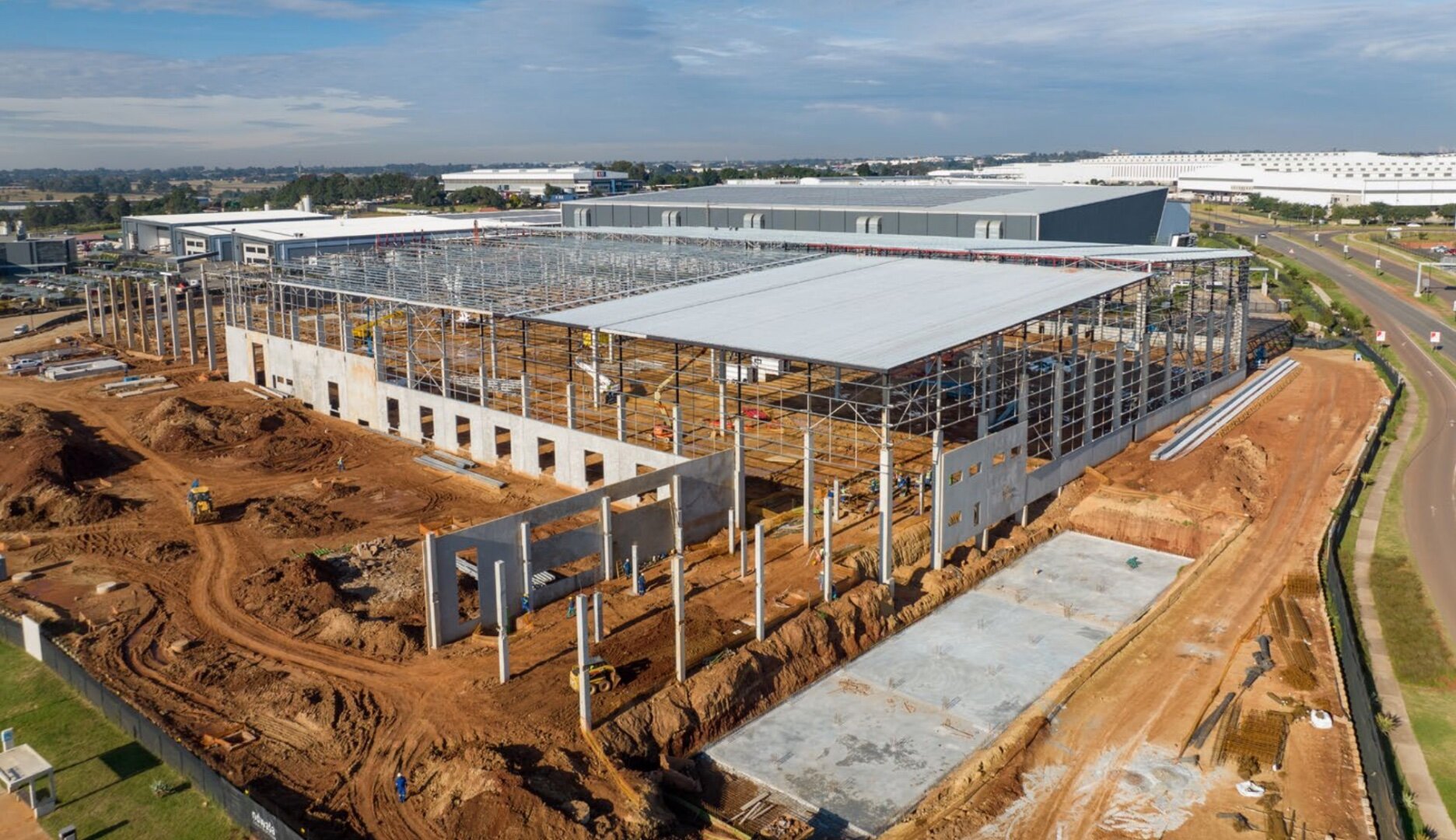
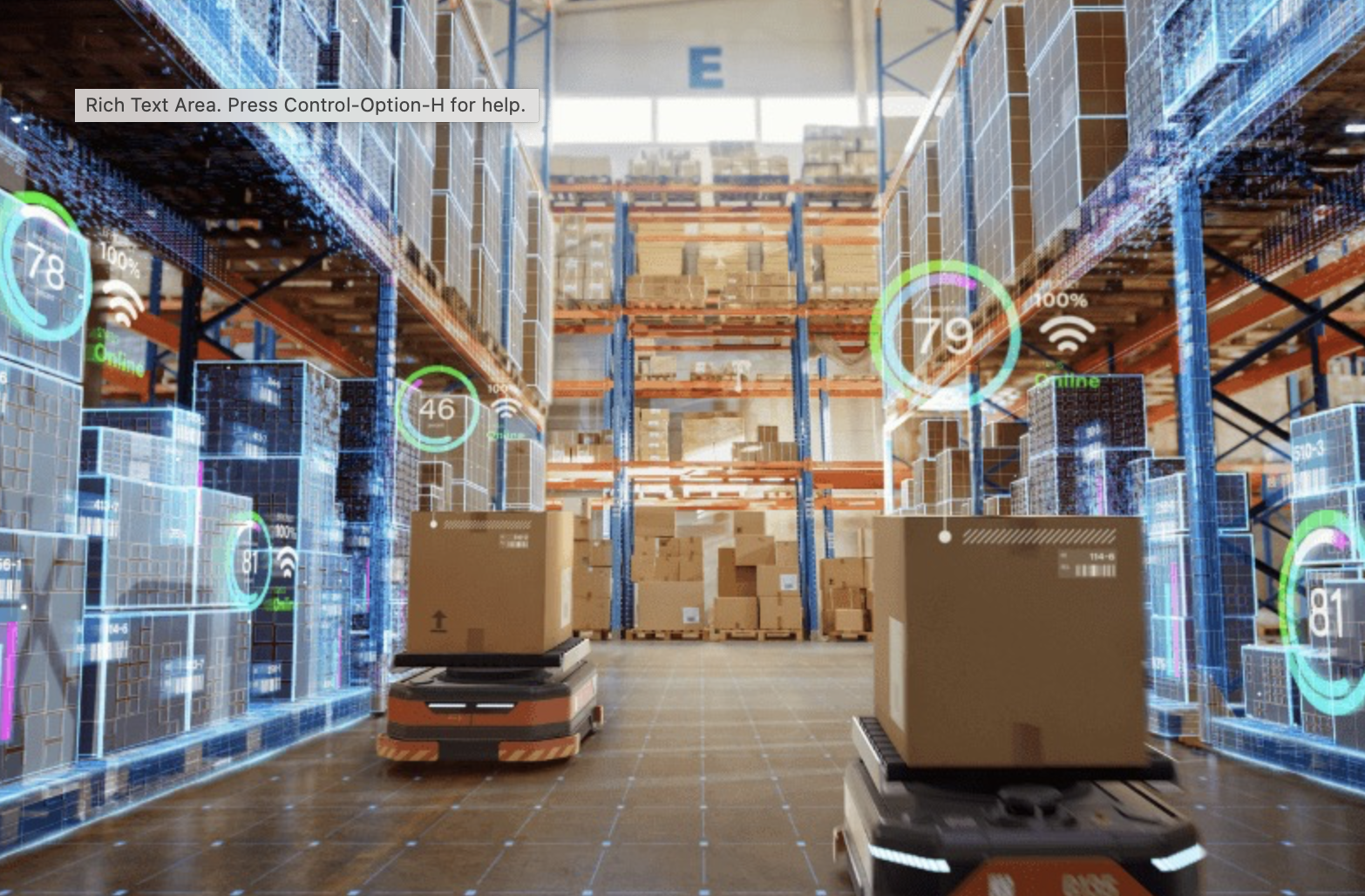
Warehouses for Sale in South Africa | Currie Group

Warehouses for Sale in South Africa: The Ultimate Investor’s Guide
South Africa’s industrial real estate market is booming, and nowhere is this more evident than in the warehouse sector. Investors and business owners are increasingly eyeing warehouses for sale across the country – and for good reason. The combination of rising demand for logistics space, a strategic location at the tip of Africa, and strong rental yields makes South Africa a compelling market for warehouse investments.
In this comprehensive guide, we’ll explore why warehouses are the hot property asset class in South Africa, highlight the top regions (Gauteng, Western Cape, KwaZulu-Natal) for buying warehouses, examine current market trends and forecasts, and outline the key factors, benefits, and risks to consider.
Why South Africa Is a Strong Market for Warehouse Investments
South Africa’s industrial property sector has proven resilient and high-performing even amid economic uncertainties. Several factors make the country a strong market for warehouse investments:
- Robust Demand and Low Vacancies: The shift toward e-commerce and improved supply chain strategies has fueled surging demand for warehouse space. Nationally, industrial properties boast very low vacancy rates (around 3.7% vacancy as of mid-2024), meaning most quality warehouses are occupied. Multiple tenants often compete for available warehouses, sometimes signing leases within days of listing. In Cape Town (Western Cape), rentals have soared ~17% above pre-pandemic levels due to scarce supply, underscoring how tight the market is.
- Strong Rental Growth and Yields: Warehouse landlords are enjoying robust rental growth. Prime industrial rents have been climbing faster than inflation, with rent escalations averaging about 7% annually in recent years. In the first quarter of 2024 alone, prime warehouse rentals increased ~4.8% nationwide, with key hubs like Durban and Johannesburg’s East Rand seeing growth above 5%.
- Attractive yields for investors: Capitalization rates (net income yield) for prime industrial properties are around 8%-10%, generally lower (i.e., better valuations) than for offices or retail. This reflects the market’s view that warehouses carry lower risk and stable income. Investors can typically achieve stable long-term income from warehouse tenants, who often sign longer leases (5+ years) for logistics continuity.
- Strategic Location & Infrastructure: South Africa’s geography and infrastructure strengthen its warehouse appeal. The country is the gateway to Sub-Saharan Africa, with major ports (Durban, Cape Town, Ngqura), a vast road and rail network, and Africa’s busiest airport (O.R. Tambo in Johannesburg) facilitating trade. Warehouses in South Africa serve not just the local consumer market but also regional distribution into neighboring countries.
Government and private sector investments in logistics infrastructure (highways, freight rail, port expansions) further bolster the efficiency of moving goods. For example, improvements like the Durban port expansion and new logistics parks are reducing transit times and attracting companies to set up distribution centers. South Africa also offers Special Economic Zones (SEZs) and industrial parks (e.g., Coega SEZ in Eastern Cape, Dube TradePort in KZN) with tax and infrastructure incentives, spurring the development of modern warehousing facilities.
Diversified Economy & Industrial Base: Unlike many emerging markets, South Africa has a diversified economy with strong retail, manufacturing, and FMCG (fast-moving consumer goods) sectors. This diversity creates broad-based demand for industrial space – from mega distribution centers for retail giants to manufacturing warehouses for automotive and mining supply chains. As local production and imports grow to meet consumer needs, warehouses remain essential nodes in the supply chain. Even during periods of slower GDP growth, the essential nature of warehousing (storing and moving goods) keeps this property segment more resilient than offices or hotels. South Africa’s relatively advanced financial system and legal framework also give investors confidence in property rights and transaction processes when acquiring warehouses.
Emerging Trends Favoring Warehouses
Global shifts in supply chain management are being felt in South Africa. Companies have moved from “just-in-time” inventory to “just-in-case” stockpiling, requiring more warehouse space for buffer inventory.
The e-commerce boom (South Africa’s online retail grew ~35% from 2020-2022, now ~4-5% of total retail and rising) means retailers and 3PL (third-party logistics) providers need fulfillment centers near major cities. Notably, Amazon’s anticipated entry via an Amazon Marketplace in 2024 is expected to further boost demand for modern warehouses and distribution facilities locally.
In short, South Africa offers strong fundamentals for warehouse investments: high demand, low vacancies, growing rents, and strategic importance in regional trade. Next, we’ll look at where in South Africa to find the best warehouse opportunities.
Top Locations for Buying Warehouses in South Africa
South Africa is a large country with several key industrial hubs. The top regions for warehouses are Gauteng, the Western Cape, and KwaZulu-Natal, which correspond to the economic heartland and the main port cities. Each region has its advantages, pricing dynamics, and typical property features. The table below provides an overview comparison of these top warehouse locations:
| Region (Province) | Key Industrial Areas | Main Advantages | Typical Sale Price Range (per m² of warehouse) |
|---|---|---|---|
| Gauteng | Johannesburg, East Rand (Ekurhuleni: e.g., Isando, Germiston, Jet Park), Pretoria area (Centurion, Midrand) |
| R4,000 – R8,000 per m² on average Lower for older facilities; higher (R8k+) for new, small units. |
| Western Cape | Cape Town (Epping, Montague Gardens, Airport Industria, Bellville), Atlantis, Paarl, Somerset West |
| R5,000 – R10,000 per m² on average Prime small warehouses or special-use (cold storage) can top R10k+ per m² |
| KwaZulu-Natal | Durban (Prospecton, Riverhorse Valley, Pinetown), Durban North (Cornubia, Dube TradePort near King Shaka Airport), Richards Bay |
| R4,500 – R8,000 per m² on average Older warehouses near the port often ~R4k–R6k; newer builds in north Durban can be on the higher end. |
Other Regions to Watch: Outside of these three giants, Eastern Cape (e.g., Gqeberha/Port Elizabeth’s Coega IDZ and Markman Industrial) hosts major automotive and logistics warehouses at lower price points (often R2,500 – R4,000 per m², reflecting the developing nature of that market). Mpumalanga (e.g., Nelspruit) and Free State (Bloemfontein) also have smaller industrial hubs serving regional mining or agricultural supply chains, though volumes are much lower. Overall, Gauteng, Western Cape, and KZN remain the primary focus for most warehouse investors due to their superior connectivity and tenant demand.
Gauteng – The Economic Heartland
Gauteng is South Africa’s busiest province for industrial property, driven by the Johannesburg and Pretoria metros. As the country’s economic heart, Gauteng offers the largest concentration of warehouses for sale. Key areas include the East Rand (also known as Ekurhuleni), which encompasses Isando, Jet Park, Kempton Park, Boksburg, Germiston, etc., near O.R. Tambo Airport – these locales are logistics gold, connecting air freight and highways. Midrand (between Johannesburg and Pretoria) and Centurion are also popular distribution centers, given their central location on the N1 highway.
Typical warehouses in Gauteng range from small units (200–500 m²) in business parks to massive distribution centers (10,000+ m²) for retail and 3PL companies. Investors will find many modern facilities with high clearance (8-12m high roofs), ample truck access, and large yard space, especially in newer logistics parks. For example, a 5,000 m² warehouse in Wadeville (Germiston) was recently listed for around R25 million (roughly R5,000 per m²), featuring a heavy power supply and multiple loading bays.
Smaller sectional-title units, such as a 200 m² mini-warehouse in Spartan (Kempton Park), can be found for approximately R1.3–R1.5 million (around R6,800 per m²), ideal for SMEs. Gauteng’s warehouse prices are generally moderate relative to coastal cities – land is more available – but the sheer demand keeps values solid. Vacancy in prime nodes is low (often under 5%), and new developments are quickly absorbed by tenants.
Advantages: Gauteng warehouses offer unmatched connectivity. From a Gauteng distribution center, a company can reach 60 %+ of South Africa’s population within a day’s drive. The presence of all major highway routes (N1, N3, N12, etc.), rail links, and the country’s largest consumer market right on the doorstep makes Gauteng ideal for both national and regional distribution. Rental demand is high year-round, so investors buying to let out will find a deep pool of potential tenants.
Additionally, Gauteng’s industrial areas often have robust infrastructure (logistics parks with security, nearby trucking services, etc.). Do consider municipal factors: some areas fall under the City of Johannesburg, others under Ekurhuleni or Tshwane – each with different property rates and service reliability. By and large, Gauteng remains the “engine room” of South Africa’s warehousing sector.
See our guide on financing industrial property purchases to plan your investment budget.
Western Cape – Port Logistics and Stability
The Western Cape, especially the Cape Town metro, is a star performer in industrial real estate. The province’s industrial market “truly shines” with vacancy rates around 3–5% and intense demand in popular nodes like Montague Gardens, Epping, and Airport Industria. Cape Town’s role as a port city and its reputation for good governance make it highly attractive. Investors are drawn to the stable, low-risk environment – industrial cap rates in Cape Town are among the lowest in the country (~6–7%), meaning property values are relatively high, reflecting confidence in sustained income.
Warehouse stock in the Western Cape comprises a mix of older facilities and modern high-tech developments, with large warehouses in established zones like Epping, where an 8,215 m² logistics warehouse is available for around R43.3 million (approximately R5,270 per m²). New distribution centers with advanced features are emerging in developing areas such as Atlantic Hills and Brackenfell, while smaller units (500–1,500 m²) in Cape Town tend to have a higher price per square meter.
A 1,711 m² food-grade warehouse in Parow is priced at R22.07 million (~R12,900 per m²) due to specialized features like cold storage and its location near highways. Warehouses close to the Cape Town port, airport, or major routes like the N1/N2 command higher prices compared to those in outlying areas.
Advantages: The Western Cape offers a combination of world-class infrastructure and governance. The City of Cape Town is known for relatively reliable electricity (critical amidst South Africa’s power challenges) and proactive infrastructure maintenance. Industrial areas are generally clean and well-managed and benefit from provincial initiatives to promote business.
The province’s strategic position means it serves not only local needs but also exports – e.g., warehousing for agricultural exports (fruit, wine) and imports for regional distribution. The tenant mix is broad: from retail distribution centers to light manufacturing and exporters. Investors often cite the Western Cape’s political stability and efficient municipal services as a big plus.
On the demand side, Cape Town’s growing population and booming e-commerce market (plus a thriving tech sector requiring logistics) ensure warehouses here have enduring appeal. Expect Western Cape warehouse investments to provide slightly lower yield percentages than Gauteng (due to higher purchase prices), but with potentially greater capital appreciation and lower risk.
KwaZulu-Natal – Gateway to Africa’s Busiest Port
KwaZulu-Natal (KZN), with its main city Durban, is another prime region for warehouses. Durban is home to Durban Harbour, the busiest shipping port in Africa, making it a natural hub for logistics and freight warehousing. Many imported goods first land in Durban, requiring storage before distribution inland. Likewise, exporters consolidate goods in Durban warehouses for shipment abroad. This has led to a strong industrial property market in areas around the port (e.g., Prospecton, Jacobs, Congella in South Durban) and along logistics corridors (e.g., Riverhorse Valley and Springfield in North Durban, or Pinetown to the west).
Warehouses for sale in KZN range from older structures near the port to modern complexes further out. A 400 m² mini-warehouse in Congella is priced at around R2.5 million (approximately R6,250 per m²), while larger units in the Cornubia Industrial Estate can cost R8–R10 million for ~1,000 m², reflecting a price of over R8,000 per m² due to their condition and location near affluent suburbs.
KZN’s key advantage is its port access in Durban, essential for companies involved in import/export, creating consistent demand for warehousing. The region’s infrastructure includes the crucial N3 highway connecting Durban to Gauteng, which supports South African commerce, as many logistics firms stage goods in Durban before transporting them to Gauteng, necessitating significant warehousing in both areas.
Investors in KZN warehouses can leverage the region’s strong manufacturing economy and robust rental yields, which often exceed those in Cape Town due to lower property prices. KZN serves as a vital logistics hub in South Africa, particularly for port-adjacent facilities, although investors should be aware of risks such as civil unrest and weather-related issues.
Market Trends and Growth Forecasts
Staying updated on market trends is crucial for making an informed investment. Currently, industrial real estate (warehousing/logistics) is the undisputed market leader in South African property.
Let’s break down the key trends and the outlook ahead:
E-commerce and Logistics Boom: As noted earlier, the rise of e-commerce is a fundamental driver. Online retail growth 35 %++ increase over the pandemic years) has translated directly into a heightened need for distribution centers. Retailers are investing in last-mile delivery hubs near cities to meet customer expectations for quick delivery. What to expect: This trend is not slowing. With major retailers (e.g., Checkers, Woolworths) expanding online offerings and global players like Amazon entering, warehouse demand will continue to outpace supply in prime areas.
Analysts predict rental rates in key logistics nodes will keep rising in the near term, potentially by another 5-10% over the next year, until more supply comes online.
Supply Shortage and Development Pipeline: Despite many cranes on the horizon, vacancies remain historically low. Developers are responding with new projects – speculative developments and custom-built warehouses – especially in Gauteng and Western Cape. However, large land parcels in good locations are limited, and construction costs have risen, so the pipeline is not meeting demand fast enough. The result is an acute supply shortage in certain size categories (notably mega-warehouses over 20,000 m²). This imbalance is forecast to persist for a couple of years. Market intelligence firms project that the South African commercial property market (all sectors) will grow around 5-7% annually in value through 2030, with industrial/logistics leading the charge.
Investors can thus expect continued capital growth in the warehouse sector.
Improving Economic Signals: While the broader economy faces challenges (low GDP growth of ~1% and power supply issues), there are silver linings for real estate.
Power supply: 2024 saw fewer power cuts (load-shedding) compared to 2022/2023, and efforts to stabilize the grid (through renewables and maintenance) are underway. More warehouses are installing solar panels and backup systems, lessening the operational impact of outages.
Interest rates: After several hikes, interest rates are peaking and likely to see a mild decline by 2025 (forecasting a cut from 7.5% to ~7.25% prime in 2025).
Lower financing costs would spur more investment and development activity in late 2025 and beyond. Additionally, the general overall sentiment is cautiously optimistic that industrial property will maintain its performance, supported by these improving fundamentals.
Focus on Modern, Efficient Warehousing
Think of higher clear heights (to maximize cubic capacity with high racking), large floor plates with few columns, dock levelers for easy loading, advanced fire suppression, and smart energy management. Older warehouses (e.g., 1970s-built structures with 4m roofs) are becoming less competitive unless strategically located or upgraded. For investors, this means properties that meet modern specs will enjoy higher demand and rents, while antiquated facilities might require capital expenditure to remain attractive.
On the plus side, upgrading an old warehouse (adding insulation, LED lighting, or additional loading doors) can significantly boost its value and rental appeal. Sustainability is part of this modern approach – companies want green features. Warehouses with solar installations, rainwater harvesting, or energy-efficient design can often command higher rents and attract long-term tenants.
- Green building certifications are increasingly seen in new industrial developments as tenants (often multinationals) have corporate ESG targets.
Long-Term Outlook: Multiple market reports and forecasts converge on the view that industrial property will remain the top-performing real estate segment in South Africa for the foreseeable future
The combination of structural drivers (logistics, urbanization, online retail) and limited prime land supply creates a recipe for sustained growth. Even if economic growth is modest, the essential role of warehousing in commerce provides a defensive quality. Barring any major shocks, investors could see high single-digit annual total returns (income + appreciation) from quality warehouse assets, outpacing inflation.
Of course, prudent investors will monitor indicators like manufacturing PMI, retail sales trends, and infrastructure developments, as these can signal shifts in warehouse demand. But as of 2025, the trajectory is clear: the warehouse sector is on a growth path, and South Africa is very much a part of the global logistics real estate boom.
Key Factors to Consider When Buying a Warehouse
Investing in a warehouse property requires careful evaluation of several factors. Here are the key considerations for buyers:
Location & Accessibility: Location is paramount in real estate, and even more so for warehouses. Look for properties close to transportation arteries – e.g., major highways, ports, rail terminals, and commercial centers. A warehouse tucked away on a narrow road will be less attractive than one with easy highway on/off-ramp access for trucks. Proximity to customers or suppliers is also crucial (a warehouse serving retailers should be near urban centers; one for exporting goods should be near a port). Evaluate the quality of road infrastructure around the site and whether large trucks can maneuver easily. Also, consider the surrounding area – is it a well-established industrial zone or a mixed-use area? Being in a recognized industrial node (with complementary businesses and services nearby) can enhance a warehouse’s value.
Zoning and Municipal Regulations: Ensure the property is properly zoned for industrial or warehouse use. The municipalities have zoning schemes – the warehouse should have the correct zoning (e.g., “Industrial 1” or similar) to legally allow storage, distribution, or manufacturing activities. Verify any usage restrictions, such as noise limits, operating hour restrictions, or environmental regulations. For example, some areas might not allow certain types of manufacturing (heavy industrial) that produce emissions. Zoning compliance is critical not just for your intended use but also for future resale value – a well-zoned property in an industrial park is far easier to sell/lease than a farm-zoned land with a shed on it. Additionally, check whether the municipality is investor-friendly: Are rates and taxes reasonable? Is there reliable service delivery (electricity, water, road maintenance)? Areas with dysfunctional local governments can pose headaches for operations.
Property Specifications and Building Features: The building itself should meet your needs or those of potential tenants. Key features to assess:
Size and Layout: Does the gross lettable area (GLA) in square meters match what you need? Is there sufficient height clearance for racking (modern warehouses often have 8 m+ to eaves, with premium facilities at 13-15m high)? Check the number and size of roller shutter doors or loading docks – multiple access points allow simultaneous loading/unloading. If it’s a large warehouse, does it have dock levelers or on-grade loading?
Yard and Truck Access: The yard space (externally) is vital for truck circulation. Is there ample yard depth for trucks to turn and back into loading bays? A good rule of thumb is a yard depth of 30-40m for heavy articulated trucks. Consider if there’s superlink truck accessibility (the largest trucks) if your operations need it. Parking space for staff and smaller vehicles is a bonus.
Floor strength: Warehouse floors should be flat and able to bear heavy loads. If you plan to use forklifts or stack heavy pallets, the floor loading capacity (kN/m²) matters. Most modern warehouses have fortified concrete floors with high load ratings – older ones might need reinforcement if using very heavy racking systems.
Office Component: Many warehouses come with an attached office block or mezzanine for admin. Evaluate if the office space (and amenities like toilets and a kitchenette) are sufficient and in good condition. If not, you might need to budget for building or renovating office space for staff.
Condition and Maintenance: Check the roof for leaks (water stains are a giveaway), especially since some regions get heavy rains. Ensure insulation is adequate (tin roofs can get very hot – many warehouses have under-roof insulation or ventilation systems). Look at lighting (are there energy-efficient LEDs or skylights?) and overall building age. A well-maintained older warehouse can be a great deal, but deferred maintenance (old wiring, damaged dock doors) could cost you later.
Power and Utilities: Power supply is critical – what is the electricity capacity (e.g., 3-phase power with X Amps)? Manufacturing operations might require a high amperage. In an era of load-shedding, having a backup power generator or at least generator connectivity is a huge plus. Some warehouses now offer solar PV installations to supplement power. Also, check water availability (especially if fire sprinkler systems are installed – is there a backup water tank or pump?). If climate control is needed (for food storage, pharmaceuticals), does the warehouse have HVAC systems or insulation to maintain temperatures?
Market Demand and Rental Potential: If you’re buying as an investment (to lease out), analyze the rental market in that area. What are typical industrial rental rates per square meter in the node? High-demand areas like Montague Gardens or Spartan can command premium rents, whereas fringe areas are discounted. Look at vacancy rates in the vicinity and how long similar properties stay on the market. Ideally, you want an area with low vacancies and multiple prospective tenants, so if one tenant leaves, another can be found quickly. Investigate the tenant mix nearby – having large stable companies in the area (logistics firms, manufacturers) is a good sign for sustained demand. Consider the future development pipeline: Are there new industrial parks coming that might increase competition (supply) in the area? One advantage of established areas is that land might be nearly fully developed, limiting new supply and protecting your rental rates.
Investment Financials (Financing and Costs): Crunch the numbers thoroughly. Consider the total cost of acquisition, including transfer duty (a tax on property purchases above a certain price), legal fees, and any VAT implications (sometimes buying from a VAT-registered seller can be zero-rated if it’s a going concern – get professional advice on this). Assess your financing options: Commercial property loans in South Africa often require a sizable deposit (typically 30% or more) and slightly higher interest rates than residential mortgages. Ensure the projected rental income can comfortably cover bond repayments, municipal rates, insurance, and maintenance. Plan for a contingency reserve – warehouses need occasional capital expenditure (e.g., roof repairs, resurfacing yards). If the warehouse will be owner-occupied, compare the cost of owning vs. renting, factoring in equity growth.
Legal and Environmental Due Diligence: Before finalizing a purchase, perform due diligence. Title deed checks will reveal any restrictive conditions or servitudes (e.g., a municipal sewer line crossing the property) that could affect usage. Ensure the buildings have approved plans on file (unapproved additions can be a risk). If the site has had prior industrial use, consider an environmental assessment – land contamination (oil, chemicals) can be an issue in older industrial sites and might obligate you to clean up. Also, verify that all necessary permits and compliance certificates are in place, such as fire department clearance for the sprinkler system, elevator clearance (if any lifts or hoists), etc. Buying through a reputable broker can help, as they often pre-vet these issues.
By carefully evaluating these factors – location, zoning, building quality, market demand, financials, and legal checks – you can make a sound warehouse investment decision. Never hesitate to visit the property multiple times, ideally at different times of day, to observe traffic patterns, noise, and other contextual factors that a brochure might not reveal.
Benefits of Investing in Warehouses
Warehouse properties offer several attractive benefits for investors, especially in the South African context:
Steady Income and Strong Yields: Warehouses typically provide a stable rental income stream. Industrial leases are often long-term (3 to 5 years, often with renewal options), and many tenants prefer stability due to the cost of moving operations. This means less frequent turnover and lower vacancy risk for the landlord. Additionally, yields are generally higher than on prime office or retail properties. It’s not uncommon for well-bought warehouses to yield 8-10% annual rental return on the purchase price, which is very competitive (for context, prime office yields might be closer to 8% or less, and carry higher vacancy risk). Moreover, leases usually have annual escalation clauses (commonly around 6-8% per year in South Africa), which help your income keep pace with or exceed inflation – a boon in an inflationary environment.
High Demand and Low Vacancy Rates: As outlined, the industrial sector has low vacancies and robust demand. This resilience means investors in warehouses have a better chance of keeping their properties tenanted, even when other sectors struggle. During the COVID-19 pandemic, for example, office and retail vacancies spiked, but industrial properties saw relatively minor impacts and bounced back quickly, thanks to the surge in logistics needs. South Africa’s warehouse vacancy rate, hovering in the single digits (low single digits in Cape Town), is evidence that finding tenants for a well-located warehouse is easier than for a shopping mall or office block in today’s market. For investors, that translates into consistent cash flow and fewer holding costs from space.
Diversification and Lower Volatility: If you already have residential or office investments, adding industrial property spreads your risk across sectors. The factors driving warehouse demand (global trade, online shopping, infrastructure development) are different from those affecting, say, apartments. This diversity can provide a hedge if one segment experiences a downturn. Furthermore, industrial real estate has shown lower volatility in values compared to some other property types. Because the tenant pool is broad (from logistics and manufacturing to wholesale trade) and the uses are fundamental, warehouses tend to maintain their utility over time. Even if one tenant leaves, the space can often be re-released without massive renovation (unlike an office that might need re-partitioning or a retail store requiring reconfiguration). In essence, warehouses are somewhat agnostic to business type – any company needing storage can use one, giving investors flexibility.
Growth Potential and Capital Appreciation: With the market dynamics favoring warehouses, there is a good chance for capital growth on top of income. Industrial land near cities is becoming scarce, so existing warehouse properties in strategic spots can be appreciated significantly over a few years. For instance, areas like Midrand or Montague Gardens have seen notable price per square meter increases as they are fully built out. If you buy into an emerging industrial node before it fully matures (e.g., an up-and-coming logistics park), you could benefit from the area’s growth trajectory. Additionally, adding value through improvements can boost the property’s worth – e.g., installing energy-efficient systems or additional loading bays can justify higher rents and valuations. Many investors also subdivide large warehouses into smaller units to lease to multiple tenants, often achieving a higher combined rent (“split-sale” strategy).
Lower Management Intensive: Compared to residential properties with many individual tenants or retail with frequent turnover and intensive tenant installations, warehouses can be relatively hands-off investments. Industrial leases often make the tenant responsible for most outgoings (this is common in SA as triple-net leases, where the tenant covers utilities, maintenance, insurance, etc., leaving the owner with minimal responsibilities aside from structural upkeep). Tenants, especially corporates, often fit out the space to their needs (racking, etc.) at their own cost. As a landlord, you might not need to deal with frequent minor complaints that come with residential letting. One good tenant could occupy a warehouse for 5-10 years with few issues, making it easier to manage. Of course, regular inspections and building insurance are still needed, but generally, the management burden is lower than many other property types.
Tangible Asset in a Growing Sector: Owning a warehouse means holding a tangible, brick-and-mortar asset that serves a critical function in the economy. There’s something concrete about owning the very facilities that keep goods flowing in commerce. In South Africa, where the industrial sector is showing leadership in the property market, this means aligning your investment with a growth sector that has both local and international importance. Global investors are increasingly interested in logistics real estate as an asset class – having exposure to it domestically can position you well if you ever choose to sell (as there could be institutional buyers eager to acquire industrial assets). In the meantime, you benefit from being part of the “backbone” of the economy – warehouses will always be needed as long as products are being bought and sold.
In summary, the benefits of investing in warehouses include steady and growing income, strong occupancy, portfolio diversification, value appreciation, easier management, and riding the wave of a high-demand sector. These advantages underline why warehouses for sale in South Africa are catching investors’ eyes.
Risks and Challenges to Consider
No investment is without risk. Before diving into a warehouse purchase, be aware of these potential risks and challenges associated with industrial property:
Economic and Market Cycles: While the warehouse sector is resilient, it’s not entirely immune to macroeconomic downturns. A severe economic recession in South Africa could slow demand for storage and distribution if retail sales fall or manufacturing contracts. For example, if consumer spending weakens sharply, retailers might scale back operations, leading to excess warehouse space. Global economic factors also play a role, as an export/import hub, South Africa’s logistics volumes depend on global trade health. A dip in international trade or supply chain disruptions could temporarily soften demand for storage. Investors should be prepared for the possibility of longer vacancy periods during downturns or pressure to offer rental concessions to attract tenants. Mitigation: focus on well-located, versatile warehouses that can attract a wide range of tenants, and maintain healthy cash reserves to cover debt in case of temporary vacancies.
Tenant Risk: A warehouse investment often hinges on one or a few key tenants (especially if it’s a single-tenant facility). This concentration means that tenant credit risk is important. If your tenant encounters financial trouble or goes out of business, you not only lose rental income but may face difficulty re-leasing a very specialized space. Always assess the strength of any existing tenant (if buying a tenanted property) or the profile of tenants you plan to target. A related aspect is lease terms – a tenant might have a termination clause or lease expiration that leaves you scrambling to find a new occupant. Mitigation: Perform due diligence on tenant financials, and try to structure acquisitions with either a secure lease in place or in locations where you’re confident in quickly securing a new tenant. Diversifying (owning multiple smaller warehouses instead of one huge one) can also spread this risk, if feasible.
Property Obsolescence: As noted in trends, older warehouses can become obsolete if they don’t meet modern standards (low roofs, insufficient yards, etc.). This can make them harder to lease, or only leaseable at much lower rents, effectively reducing your returns. If the property you buy is older, consider the capital expenditure needed to keep it competitive, like installing new roller doors, upgrading insulation, or even raising the roof height (some investors jack up roofs to add clearance in extreme cases). Technological advancements (automation, robotics) might also require modifications. There’s also a trend towards green buildings; those that lack any sustainable features might face lower demand from environmentally conscious tenants. Mitigation: When buying, be realistic about the property’s lifespan – budget for upgrades or target warehouses with timeless features (e.g., simple rectangular designs that can be easily modified). Keeping up with maintenance and periodically improving the facility can prolong its useful life and marketability.
Location Risks (Micro-level): The flip side of “location” as a benefit is that a poor location is a big risk. If an area’s infrastructure deteriorates (e.g., key access roads develop potholes or rail service is discontinued), the attractiveness of warehouses there will drop. Security and crime can also be an issue in certain industrial areas – theft of goods or vandalism can deter tenants (insurance costs might spike too). Some older industrial zones near city centers could face redevelopment pressure or rezoning to other uses, potentially changing the character of the area. Moreover, if an area is heavily dependent on one industry (say, automotive in the Eastern Cape or mining equipment in parts of Mpumalanga), a downturn in that industry could flood the market with vacant warehouses. Mitigation: Do thorough due diligence on the area, not just the property. Investigate crime rates (and consider gated industrial parks for added security), check any city planning documents for future infrastructure projects or zoning changes, and prefer diversified industrial nodes with various types of tenants.
Political and Social Risks: South Africa has seen instances of civil unrest that have at times affected industrial areas (for example, the July 2021 unrest in KZN and Gauteng led to warehouse lootings and damage). While these events are rare, they highlight a risk of damage or business interruption due to social unrest. Additionally, policy changes – like significant shifts in property taxation or industrial regulation – could impact returns. There’s also the ongoing electricity supply challenge (load-shedding): while many warehouses have adapted to generators and solar, prolonged power issues could deter some heavy industrial tenants or increase operational costs. Mitigation: Ensure proper insurance coverage (including political riot cover, which is standard via SASRIA in SA) for your property. Engage in good community relations and security partnerships in industrial areas (some areas have improvement districts or patrol services funded by owners). And factor in the cost of backup power solutions for your warehouse to keep it functional during grid outages.
Liquidity and Exit Strategy: Commercial properties, including warehouses, are less liquid than residential ones. It might take time to sell a warehouse, as the pool of buyers is smaller and deals take longer (commercial sales often involve more due diligence, bank approvals, etc.). If you need to free up cash quickly, you may not be able to sell fast without discounting the price. Market conditions at the time of sale will heavily influence your exit – e.g., if interest rates are very high, buyers’ ability to finance may be constrained, reducing demand. Mitigation: View warehouse investment as a mid-to-long-term play. Don’t buy if you foresee needing the capital in a year or two. It can help to keep the property “investment grade” by maintaining good tenants and upkeep – that way, if you do need to sell, it’s an attractive, income-producing asset to the next investor. Also, keep an eye on the market for the right timing; selling during a strong market phase can significantly ease liquidity concerns.
Maintenance and Operational Costs: Warehouses might be simpler than high-rise buildings, but they still require maintenance – roof repairs, resurfacing yards, replacing gutters, etc. Unexpected costs (like fixing damage after a storm or upgrading to comply with a new fire code) can hit your income. Tenants may be on the hook for day-to-day maintenance in a triple-net lease, but typically, landlords handle structural issues. If multiple capital expenses come at once, that can affect cash flow. Additionally, higher municipal rates or utility tariffs can eat into net income if they rise faster than expected (though often these are passed to tenants, in a weak economy, there’s a limit to passing on costs). Mitigation: conduct a thorough inspection before buying to identify any upcoming maintenance needs (bringing in a property inspector or engineer for large warehouses is wise). Have a sinking fund for big-ticket items. Try to secure maintenance contracts (for HVAC, generator, etc.) to prevent small issues from becoming big ones. And model your financial projections with some buffers for cost increases.
By acknowledging and planning for these risks – economic cycles, tenant issues, property obsolescence, location/security concerns, socio-political factors, liquidity, and maintenance – you can proactively manage your warehouse investment and protect your downside. Many of these risks can be mitigated with due diligence and active asset management. Remember that despite these challenges, the warehouse sector’s strong fundamentals have made it a preferred choice for many investors, indicating that the risk/reward balance is often well worth it.
Example Warehouse Listings and Features by Region
To give a more concrete sense of what’s available in the market, let’s look at some example listings and typical features you can expect in each of the top regions:
Gauteng Example – Large Warehouse for Sale in Johannesburg
Example: A 5,000 m² warehouse in Wadeville, Gauteng
– Wadeville is an established industrial area in the East Rand of Johannesburg. This particular property (listed at R25 million) offers a spacious factory/warehouse facility with features tailored for heavy industrial use:
High Warehouse Ceilings: The building has a generous height, allowing for the stacking of goods or the installation of cranes. High roofs also improve ventilation.
Multiple Cranes & Power Supply: It comes equipped with overhead cranes (useful for manufacturing or moving heavy items) and a substantial three-phase power supply, which is ideal for operating machinery. Gauteng warehouses often have high power availability due to the presence of manufacturing tenants.
Yard and Access: The site includes a large paved yard for truck turning and is accessible to superlink trucks. There are multiple roller shutter doors on different sides of the building, enabling segmented loading/unloading or dividing the space for multiple tenants if needed.
Ancillary Offices: Attached to the warehouse is an office block with admin offices, a boardroom, staff change rooms, and restrooms – a common feature as most warehouse operations need on-site management and staff facilities.
Backup Utilities: Because of load-shedding in South Africa, many Gauteng warehouses advertise backup generators or at least generator compatibility. In this example, a generator connection is installed, allowing the tenant to plug in their generator to keep operations running during outages.
What this exemplifies: Gauteng warehouses, especially older ones in places like Wadeville or Isando, often cater to both warehousing and manufacturing. They are usually free-standing on their erf (lot) with plenty of space. Buyers should note the robust build – these are workhorse properties, sometimes a bit older, but with solid bones and infrastructure to handle intensive use. Price-wise, R25 million for ~5,000 m² is about R5,000/m², which is typical for a large Johannesburg industrial property that might need a little modernizing but offers heavy-spec features. Newer builds in prime Gauteng logistics parks might be higher in R/m² but often come in smaller sizes if sectionalized.
Western Cape Example – Modern Logistics Warehouse in Cape Town
Example: A 2,109 m² modern warehouse in Paarden Eiland, Cape Town
– Paarden Eiland is a popular industrial node right next to the Cape Town CBD and harbor. An example listing here (around R24 million asking price) showcases a premium, modern logistics facility:
Prime Location: Only ~6 km from the Cape Town port, this warehouse is excellent for import/export businesses. Paarden Eiland’s proximity to the city also makes it attractive for last-mile distribution into Cape Town.
High-Spec Construction: The warehouse is relatively new and built to Grade A standards – it has a high floor-to-ceiling clearance (great for racking), a fully sprinklered ceiling (meeting fire regulations for high-stacking storage), and a polished floor suitable for forklifts and heavy loads.
Climate Control & Insulation: Given Cape Town’s climate (which can be humid near the coast), this facility includes features like roof insulation and cross-ventilation to protect goods. It’s also food-grade, meaning it adheres to hygiene standards for storing food products (smooth wall finishes, etc.), broadening its tenant appeal.
Secure and Self-Contained: The property is fenced with controlled gate access. It has 24/7 security systems (alarm, CCTV). Many Western Cape warehouses boast strong security, either within secure industrial parks or with standalone security measures, due to the high value of goods stored.
Amenities: The listing mentions modern staff amenities – comfortable office space with air-conditioning, a reception area to welcome clients (if the tenant has walk-ins or uses it as a showroom), and ample parking. Paarden Eiland buildings often have a showroom/retail component due to being near the city, so this flexibility is a plus.
Price per m²: At roughly R24m for ~2,100 m², the unit costs about R11,380 per m².This higher rate reflects the prime location and modern specs. In Cape Town, smaller high-end warehouses can indeed exceed R10k/m², especially if specialized or near the port.
What this exemplifies: Western Cape warehouses, particularly in Cape Town, can be more premium and specialized. Investors here might pay more per square meter, but they get properties that meet international standards – suitable for multinational corporations or niche uses (like cold storage, and high-tech distribution). If you’re buying in Cape Town, expect features like excellent build quality, but also be mindful of factors like flood plains (some areas like Paarden Eiland are low-lying – check flood risk and insurance) and heritage (in certain zones, older structures might have heritage status affecting modifications). The example above is turn-key, requiring little work – a common scenario is buying such a property with a blue-chip tenant in place, offering immediate income.
KwaZulu-Natal Example – Versatile Warehouse in Durban
Example: A 400 m² light-industrial warehouse in Congella, Durban
– Congella is an older industrial area close to Durban’s port. An example listing (~R2.5 million) for a smaller warehouse/workshop highlights typical features in KZN:
Versatile Space: At 400 m², this is a smaller warehouse, but it’s column-free, making the floor space fully usable for storage or as a workshop. It likely has a medium clearance height (~5-6m), adequate for pallet racking or workbenches.
One Roller Door & Street Access: Being in a dense industrial area, it has direct street entry via a single roller shutter door (large enough for small trucks/vans). It might not accommodate the biggest trucks inside, but the street infrastructure in Congella allows for deliveries. This type of property is ideal for a distributor or fabrication business that doesn’t require huge trucks frequently.
Basic Office and Facilities: It includes a small office and a restroom for staff. Many such units have maybe a foreman’s office or reception, and the rest are open warehouses. If more office space is needed, often a mezzanine can be added.
Power Supply: Likely equipped with standard 3-phase electricity (e.g., 60-100 Amps), which is sufficient for moderate machinery or lots of lighting. It may not have the heavy power of larger factories, but it can be upgraded if needed since the area is industrial.
Older Construction: The building materials might be older (brick and concrete structure, possibly an asbestos or corrugated roof common in older Durban warehouses). An investor should check the roof condition – Durban’s climate (coastal, humid) can be harsh on metal roofs, causing rust. The listing doesn’t mention modern features like sprinklers or climate control, which is typical for a smaller, older unit. It’s essentially a functional space at an affordable price.
Rental Potential: For an investor, a unit like this could be rented out for perhaps ~R50-R65 per m² (so R20k–R26k per month), depending on demand, yielding around 9-10% gross yield, which is decent. Its affordability and size make it attractive to small businesses.
In KZN, particularly near Durban port, smaller, affordable warehouses and workshops cater to SMEs, offering location convenience despite lacking modern amenities. Investors can diversify by acquiring multiple units to mitigate risk. In contrast, larger logistics warehouses in new Durban parks, like a 5,000 m² space in Cornubia, feature high bays and extensive loading docks, with costs comparable to Gauteng, around R20–R30 million. The region’s climate leads many warehouses to highlight ventilation and humidity control, essential for goods vulnerable to moisture, illustrating that KZN’s industrial property market has options at various price points.
These examples illustrate the diverse range of warehouse properties available across South Africa:
In Gauteng, you often get bigger space for your money and properties suited for heavy-duty use or broad distribution.
In the Western Cape, you may pay a premium for location and modern build, but you tap into a very strong tenant market with global links.
In KwaZulu-Natal, you find strategically located spaces for trade and manufacturing, from small workshops to massive port warehouses.
As an investor, align the type of warehouse you buy with your investment strategy – whether it’s a core, long-term hold with a blue-chip tenant in a Cape Town logistics hub, or a higher-yield, hands-on asset like an older Joburg factory you can refurbish and re-lease at a profit.
Conclusion: Capitalizing on South Africa’s Warehouse Boom
The industrial real estate landscape in South Africa – and particularly the warehousing segment – is filled with opportunities for savvy investors and business owners. We’ve seen that warehouses for sale in South Africa are underpinned by strong fundamentals: soaring demand driven by e-commerce and distribution needs, limited supply in key locations, solid yields, and resilient performance even in choppy economic waters.
By targeting the right region (be it Gauteng’s logistics heartland, the Western Cape’s thriving portside market, or KZN’s trade gateway) and carefully vetting each property against crucial criteria, investors can secure assets that not only deliver consistent income but also appreciate as the market grows.
Importantly, staying informed and adapting to trends will set great investments apart from mediocre ones. Embracing modern warehouse features, considering sustainability (like solar rooftops or energy efficiency), and remaining aware of infrastructure developments will help ensure your warehouse property remains competitive and desirable to tenants in the long run. South Africa’s commitment to improving trade logistics – through ports, roads, and special economic zones – bodes well for the future value of industrial properties.
As you contemplate investing in warehouses, remember to balance the attractive returns with prudent risk management. Conduct due diligence, engage experts (property brokers, attorneys, engineers) where needed, and have a clear strategy whether you aim to hold the property as an income-generating asset or use it for your business operations. Warehouses may not be as glamorous as glassy office towers, but in the current climate, they are star performers in real estate.
In conclusion, the South African warehouse market presents a compelling investment case – one of growth, stability, and tangible value. By leveraging the insights from this guide, investors and business owners can confidently navigate the market for “warehouses for sale” and make informed decisions that capitalize on this industrial property boom.
Now is an opportune time to secure your spot in this thriving sector, and potentially outrank the competition – much like this comprehensive article aims to outrank the rest, your well-chosen warehouse investment can outshine other assets in returns and resilience.
(For further reading, consider checking out our related articles on financing industrial properties and recent industrial development projects in South Africa, which can provide deeper insights and practical tips as you venture into the warehouse investment journey.)