
Commercial Property for Sale vs To Let: Which is Right for You?
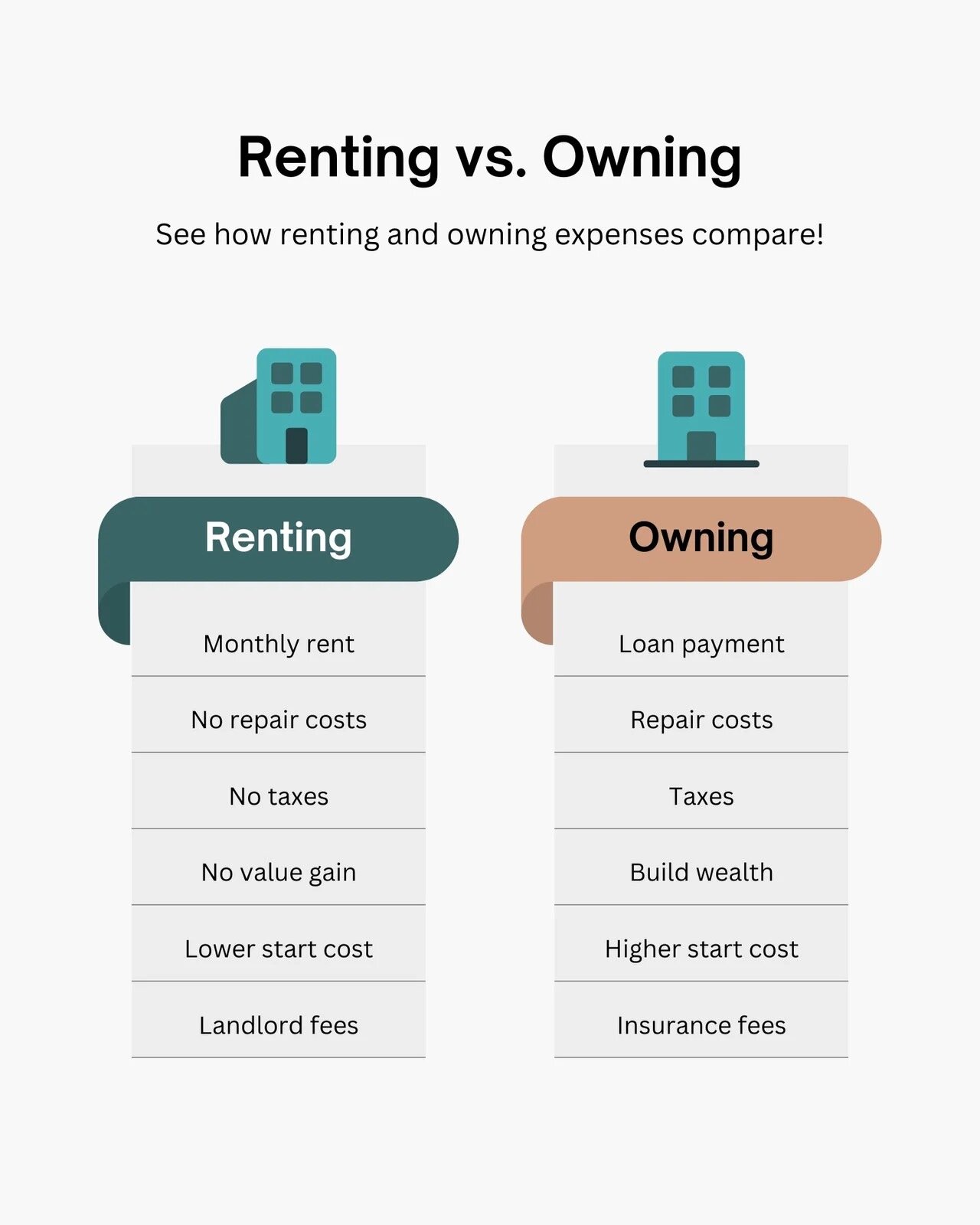
Commercial property for sale vs to let is one of the biggest decisions for any business owner or investor. This choice will shape your cash flow, growth, and flexibility for years to come. Each option comes with its rewards and risks, especially with the way the commercial property market is shifting in 2025.
The right move depends on your plans, budget, and how much control you want. In this post, you’ll see how buying stacks up against letting, so you can make a confident decision that fits your business and investment goals.
Understanding the Commercial Property Market
Before deciding whether to buy or lease a commercial building, it pays to understand what sets this market apart. The world of commercial property moves to its rhythm, with different rules and drivers than residential real estate. Prices, demand, and risks behave differently. What works for someone’s house hunting doesn’t always translate to shops, warehouses, or offices.
Key Differences: Commercial vs. Residential Real Estate
Commercial property is all about business use, profit, and investment returns. Unlike residential buildings, where people live and personal preferences often drive the deal, commercial property activity centers on business needs and earning potential. Here’s how they differ:
- Purpose: Residential is for living, commercial is for business—think shops, offices, warehouses, and restaurants.
- Tenants: In commercial deals, tenants are businesses or investors, not families or individuals renting a place to sleep.
- Leases: Commercial leases run longer (often three to ten years) and can be flexible to suit a tenant’s needs, or strict if you need stability.
- Valuation: Lenders and buyers look closely at income streams and profit potential, not just the address or curb appeal.
- Risk and Reward: Returns can be higher, but so can vacancies and operating costs.
Types of Commercial Properties
The commercial property market in 2025 remains broad, offering options for nearly every business type. Below are the main categories you’ll encounter:
- Office Buildings: Classic high-rises, suburban office parks, and flexible workspaces—all shaped by shifting work-from-home trends in 2025.
- Retail: From high-traffic shopping centers and standalone shops to luxury boutiques and grocery-anchored malls, retail keeps adapting as online shopping grows.
- Industrial Properties: Warehouses, distribution centers, and manufacturing sites are in hot demand, especially from e-commerce and logistics firms.
- Hospitality: Hotels, motels, and resorts cater to the travel industry, but market returns often swing with the economy and tourism trends.
- Mixed-Use Developments: These blend office, retail, and sometimes residential, offering flexibility and additional security for investors.
- Specialty: Think data centers (with tech needs skyrocketing), healthcare clinics, and even self-storage units.
Each type comes with its own rent patterns, maintenance needs, and growth potential. The right one depends on your business model and risk appetite.
2025 Market Trends: What’s Shaping Commercial Property Now
The commercial property market looks different this year than it has in the past. Here’s what’s driving change:
- Industrial Growth: Warehouses and logistics buildings remain popular thanks to continued e-commerce growth. Vacancy rates for industrial property are impressively low, especially in key distribution hubs.
- Office Sector Shifts: Hybrid work is here to stay, shaping demand for flexible leases, coworking spaces, and smaller traditional offices. Vacancy rates are finally stabilizing, but the story varies city by city.
- Retail Resilience: Despite more online shopping, physical stores aren’t out of the game—especially in grocery-led centers and premium locations.
- Multifamily Wobble: Overbuilding is a problem in some cities, with too many apartments and not enough tenants. This mainly affects residential property but sends ripples through commercial developments nearby.
- Interest Rates: Rate changes continue to influence buying decisions. Some potential buyers wait on the sidelines, hoping for better borrowing rates, which can lift leasing activity.
- Climate and Cybersecurity Concerns: Landlords are investing more in disaster-proofing and digital defenses, both to protect assets and meet stricter insurance requirements.
- New Opportunities: Growth in data centers, affordable housing projects, and public-private partnerships is creating fresh chances for buyers and tenants who are willing to think beyond traditional spaces.
Trends shift quickly with economic changes, government incentives, and technology. Knowing how these forces work sets you up for a smarter buy or lease decision.
Advantages and Disadvantages of Buying Commercial Property
Thinking about buying a commercial property? It’s a bold move that can transform your business or investment portfolio. But with big opportunities come big responsibilities. Here’s what you need to weigh before signing on the dotted line.
Income Potential and Appreciation Prospects
Owning commercial real estate offers powerful ways to build wealth:
- Higher income compared to residential properties. Commercial spaces usually generate stronger cash flow, with annual returns that often range from 6% to 12%.
- Long-term appreciation can be significant, especially in growth areas or neighborhoods on the rise. As demand heats up, your property’s value can jump.
- Stable tenants are common, thanks to longer lease terms—many businesses lock in for 3, 5, or even 10 years. This can give you predictability and peace of mind.
- Protection from inflation is another bonus. As costs go up, so can rents and property values, helping you stay ahead of rising prices.
But appreciation isn’t guaranteed. Some neighborhoods never take off, and new competitors can pull tenants away. If you have all your eggs in one property basket, changes in the local economy can hit your income and resale value hard.
Control, Customization, and Stability
Ownership puts you in the driver’s seat:
- Make upgrades or remodels without asking for permission.
- Pick your tenants and set your lease terms.
- Lock in your business location and build brand recognition over the years.
Property owners enjoy plenty of freedom, but this means handling every decision. If your business grows, you can expand into more of your own space. If you want to attract higher-paying tenants, you can improve the property as you see fit.
However, owning means you take on every repair, every safety update, and all the upkeep. If something breaks, the buck stops with you.
Financial Barriers and Operational Challenges
Buying commercial property can stretch your finances:
- Down payments are steep—often 15% to 35% of the purchase price. That means tying up a lot of capital you could use elsewhere.
- Maintenance and upgrades need steady cash flow. Roofs, HVAC, and parking lots aren’t cheap, and you can’t put off big repairs.
- Complex management demands attention. With multiple tenants, unique agreements, and compliance rules, managing commercial real estate is much more work than owning a single rental house.
And if the market slows or your space sits empty, you’re still on the hook for the mortgage and all expenses. Unless you’re prepared for these challenges, they can quickly turn into headaches.
Risk Exposure and Liability Considerations
Big rewards often come with big risks:
- Market cycles can hit hard. If major tenants leave or business dries up, finding replacements may take months.
- Environmental issues (like leaks or contamination) require proactive attention.
- Liability for accidents, injuries, or tenant complaints always sits with the property owner. Even a simple slip-and-fall can mean insurance battles or lawsuits.
- Economic downturns or unexpected crises (think: pandemics, natural disasters) can suddenly cut your income or lower your property value.
Smart owners plan for risks by holding strong insurance, setting aside emergency reserves, and staying up-to-date on regulations. It’s not for the faint-hearted, but careful planning and a solid team can help you avoid most pitfalls.
Advantages and Disadvantages of Leasing Commercial Property
Leasing commercial property is a practical route for many businesses and investors who need space without locking up all their cash. This approach can fit startups, growing companies, or anyone who wants room to change their mind if business conditions shift. But like every big decision, leasing comes with its mix of benefits and drawbacks. Let’s break down what you need to know about leasing before you commit.
Flexibility and Cash Flow Management
Leasing gives you flexibility that owning usually can’t match, especially if your business is still evolving.
- Easy relocation: If you outgrow your space, need a different location, or decide to scale down, you can move when your lease is up. There’s no property to sell or long-term commitment to tie you down.
- Shorter terms: Lease terms often range from one to five years, giving you more options as your business changes or the market shifts.
- Predictable budgeting: Rent payments tend to be regular and agreed upon ahead of time, making it easier to plan your cash flow without worrying about sudden repair bills or maintenance surprises.
- Strategic use of capital: With less money tied up in real estate, you can keep more working capital free for marketing, hiring, inventory, or new technology.
These advantages help you respond quickly to new opportunities and reduce the risk of being stuck with a property that no longer fits your needs.
Lower Upfront Costs and Simpler Operations
Leasing usually demands less cash at the start and carries fewer operational headaches than owning.
- Lower initial outlay: You might need only a security deposit and a few months’ rent upfront, compared to a hefty down payment and closing costs if you buy.
- Minimal maintenance: In most leases, building repairs and big upgrades fall to the landlord, not you. This means less stress and fewer surprise expenses.
- Faster move-in: The leasing process is often quicker and less complicated than buying, with fewer hoops to jump through and less paperwork.
- Tax advantages: Leasing costs are generally deductible as business expenses, giving you quicker tax relief than depreciation write-offs from ownership.
These factors make leasing an attractive option for businesses that want a turnkey move-in with fewer distractions from their day-to-day operations.
Lack of Equity and Long-term Costs
While leasing checks a lot of boxes for flexibility, it has limits if you’re playing the long game.
- No equity building: Monthly rent payments don’t give you a stake in the property. After years of payments, you walk away with no assets to show for it.
- Rising rents: Most leases include periodic rent increases, and these can add up quickly. You may find your future costs outpace what you’d pay if you owned.
- Potential for outgrowing the space: If your business thrives and you need to expand, you may need to relocate, which brings moving costs and business disruption.
- Missed appreciation: If property values rise, the gains go to the landlord, not you. You lose out on possible capital growth.
If your business is stable, established, and planning to stay put, the long-term math of leasing usually favors the landlord.
Restrictions and Lease Renewal Risks
Leasing comes with strings attached that ownership avoids.
- Design and branding limits: Many landlords control what changes you can make to the property. You often need approval to upgrade the space, which can stall your brand goals.
- Use restrictions: Leases often include rules about what you can and can’t do in the space, limiting your business activities or high-traffic events.
- Uncertain renewal: When your lease ends, the landlord might not renew, or they could raise the rent sharply. This risk can force a disruptive and expensive move.
- Less control: You don’t have the final say on upgrades, repairs, or shared amenities, which can be tough if your business relies on a certain look or feel.
These lease terms can sometimes make it harder to run and grow your business exactly the way you want.
Leasing commercial property puts flexibility, speed, and simplicity front and center. But it also means giving up control and the long-term perks that ownership can offer. Whether the pros outweigh the cons comes down to your business plan, your growth, and how much risk you want to carry.
Financial Considerations: Buying vs. Leasing
Weighing the financial side of buying versus leasing commercial space is critical. Every pound spent today or promised tomorrow affects your business’s health. Let’s break down the real numbers, including costs you see right away, ongoing bills, tax perks, and the big picture impact on your cash flow and borrowing power.
Upfront and Ongoing Expenses
Buying and leasing set very different expectations for how much you’ll pay now, and what you’ll keep paying later.
- Buying a property usually means a hefty down payment, ranging from 15% to 35% of the purchase price. You’ll also need to cover surveys, legal fees, building inspections, and often fit-out costs before opening the doors.
- Leasing a property is less cash-intensive upfront. It usually just requires a security deposit and a few months’ rent in advance, leaving more of your funds free for things like stock or hiring.
But the spending doesn’t stop there. Here’s where the real commitment kicks in:
- Mortgage payments: Owners face regular mortgage installments (often fixed, but not always), plus buildings insurance and council tax. If rates shift, your payments might jump.
- Rent payments: Tenants pay rent—sometimes fixed, sometimes increasing annually (known as “escalation clauses”). Landlords may also pass on extra costs like service charges, property taxes, or repairs.
- Maintenance and repairs: Owners handle all repairs, big or small. That means budgeting for new roofs, HVAC fixes, or any surprise emergencies. Tenants may have some minor repair duties, but generally, the landlord is responsible, making costs more predictable.
Key takeaway: Buying locks up more cash early and creates variable future expenses. Leasing is kind to your budget at first, but watch for rising rents and hidden extras in your lease terms.
Tax Benefits and Deductions
Every business wants to pay less tax, and both buying and leasing come with opportunities—if you understand the rules.
- Buying: Owners can claim tax deductions for mortgage interest and depreciation (a yearly allowance for wear and tear on the building). Fit-outs and certain improvements can often be written off, too. Over the years, these deductions add up and can shrink your tax bill.
- Leasing: Rent payments on business property are usually fully deductible. This means you can subtract every rent pound spent from your profits before tax is calculated. Simple, clear, and immediate. You might also be able to deduct insurance and maintenance if your lease requires you to pay these directly.
New guidelines mean leases show up as liabilities, which can change how lenders view your business.
Key takeaway: Both options offer tax perks, but property ownership spreads them over more years and may need expert help to squeeze out every benefit.
Impact on Business Cash Flow and Credit
How you handle your workplace affects your cash flow, your credit rating, and even future funding.
- Ownership turns rent into equity, each mortgage payment boosts your stake in the property. If property values rise, that’s more value in your business’s name. But large upfront costs and uneven bills (like repair emergencies) can drain cash reserves and slow your growth if you don’t plan well.
- Leasing is lighter on day-to-day cash, and our commitments are clear and easier to budget, helping you manage cash flow with stability. But rent only buys you space, not ownership—when you leave, that money is gone, and none of it builds business value.
Leases now get recorded as liabilities on your balance sheet, which can influence your credit profile. Lenders look at these bigger numbers when deciding to approve a loan.
Key takeaway: Buying can build long-term value (and even improve borrowing power over time), but puts pressure on cash flow up front. Leasing preserves cash and flexibility, which is key for younger businesses or those needing to adapt fast—just keep an eye on how leases affect your financial picture.
Legal and Contractual Differences
Buying and leasing commercial property aren’t just financial decisions—they come with a very different set of legal rules and contracts you’ll need to follow. These differences shape your rights, your risks, and the fine print you’ll deal with for years. Here’s how the legal side stacks up when you compare commercial property for sale vs. to let.
Ownership Rights vs. Leasehold Interests
When you buy a commercial property, you gain full ownership. That means your name goes onto the official property title, and you’re free to use, change, or rent out the space as you see fit (as long as you follow local law). This control brings clear benefits, but also permanent responsibilities. You decide what to upgrade, how to adapt the property, and what tenants to choose if you want rental income.
- Buying = Freehold Ownership
- You get long-term control over the asset.
- You can make big changes, like remodeling or expanding.
- You benefit directly if the property goes up in value.
- You take on permanent liability for legal compliance, zoning, and property taxes.
Leasing is about temporary rights. When you lease, you get what’s called a “leasehold interest.” This grants you the right to use and operate from the property for a set timeframe—maybe 3, 5, or 10 years—under detailed terms set by the landlord.
- To Let = Leasehold Interest
- You can use the space for your business, but you must stick to the lease rules.
- The landlord keeps ownership and most control over the property itself.
- You may face limits on changes, branding, or business activities.
- Rights often end when the lease term is up (unless you renew).
The bottom line: Owners have permanent, deeper control. Tenants get flexibility but must operate within someone else’s boundaries.
Key Contract Terms and Responsibilities
Both buying and leasing tie you to contracts, but the details can be wildly different.
If you’re buying:
You’ll sign a purchase agreement. This outlines the price, closing date, property condition, legal responsibilities, and contingencies (like financing or inspection results). After closing, you’re on the hook for ongoing upkeep, insurance, property taxes, and every legal responsibility that comes with ownership.
If you’re leasing:
You’ll sign a lease agreement, a detailed legal contract that spells out your rights and responsibilities. Pay close attention to these key terms:
- Lease duration: How long you can use the property, and if there are options to renew.
- Rent and increases: When rent can rise (often yearly), and by how much.
- Maintenance obligations: Who fixes what—some leases (like triple net) shift repairs and insurance costs onto you.
- Allowed uses: What businesses, events, or operations are permitted in the space?
- Alterations: Whether you can renovate, decorate, or make changes (often requires landlord approval).
- Early termination and break clauses: How and when you can leave early, and at what cost.
- Dispute resolution: What happens if there’s a disagreement, and which laws will apply?
Landlords and tenants can negotiate most of these terms with the assistance of a property broker. Larger tenants often hold more sway, but all businesses need to read contracts closely. Penalties for missing deadlines or breaching contract terms can be steep.
Legal Risks and Due Diligence
The legal risks with buying and letting look quite different. Due diligence, the careful checking of contracts, property status, and risk exposure, is non-negotiable for both.
When you buy:
You need to confirm clear ownership (title search), check for any legal holds (liens), and ensure no undisclosed issues like contamination, unpaid taxes, or illegal builds. Other must-dos include:
- Environmental assessments to catch costly issues before you commit.
- Zoning and use checks to see if your business or planned improvements are allowed.
- Legal compliance with accessibility rules, fire codes, and new building safety standards.
- Title insurance protects against hidden past legal problems.
Ignoring any step could expose you to unexpected lawsuits, fines, or major renovation bills. Once you own it, every issue becomes your problem.
When you lease:
Your main legal risk comes from the lease’s fine print. Missed payments, using the space outside allowed terms, or failing to maintain your space as agreed could mean financial penalties or eviction. Do your homework by:
- Reviewing the lease for hidden costs like service charges, property tax pass-throughs, or escalation clauses.
- Checking the landlord’s obligations for upkeep and repairs. A poorly maintained building can disrupt your business.
- Understanding what happens if ownership changes: Leases often transfer to new landlords automatically, but protection clauses like SNDA (Subordination, Non-Disturbance, and Attornment) can safeguard your right to stay if the building is sold.
A solid contract and regular legal advice lower these risks. For both buyers and tenants, working with a qualified solicitor or commercial property lawyer pays off by flagging issues early and protecting you from future surprises.
Key takeaway: The legal side of buying and letting is complex but manageable with the right guidance. Contract details—what you can do, what you must pay, and how disputes are handled—can make or break your experience. No matter which route you take, strong due diligence is your best defence against expensive mistakes.
How to Decide: Commercial Property for Sale vs To Let
Deciding whether to buy or let a commercial property is rarely simple. The right call depends on where your business is today and where you plan to be tomorrow. Before making a commitment that will shape your finances, flexibility, and long-term growth, weigh these key factors to uncover what fits best.
Assessing Business Objectives and Growth Plans
The stage and speed of your business matter just as much as budget. Think about your ambitions. Are you building for the long run, or do you need room to adapt fast?
- If your business is well-established and you want full control over your space, buying gives you stability and the ability to customise as you see fit.
- Rapidly growing or changing businesses often benefit from the flexibility of leasing. When it’s tough to forecast headcount, sales, or location needs, committing to a long-term mortgage can feel risky.
- Consider your industry. Retailers tied to a specific location, or medical and professional offices with steady client bases, may find buying more rewarding over time. Fast-moving tech companies or seasonal retailers often value the freedom to relocate that leasing provides.
- Think about future expansion or possible downsizing. If you have big plans to grow or worry about market changes, leasing lets you react quickly.
Outline your three-to-five-year vision. Matching your property strategy to your business plans can save money, reduce headaches, and support healthy growth.
Evaluating Market Conditions and Timing
The commercial property market shifts in cycles. You don’t control those cycles, but you can choose when to act.
- In 2025, easing inflation and sector-specific trends are shaping new opportunities for both buyers and tenants. For example, logistics and data centers are in demand, but office and retail spaces might offer better deals in some regions.
- Look at vacancy rates, average lease terms, and property prices in your target area. If supply is high and prices are soft, buyers might find value. If rents are rising and space is scarce, locking in through a purchase could hedge against future increases.
- Interest rates play a huge role. Higher borrowing costs can tip the scale toward leasing, especially for businesses that want to preserve cash.
- Timing matters. Are you entering the market on an upswing, or could waiting another quarter bring better rates or more options?
- Factor in external pressures, such as local redevelopment plans, new competitors, or changes in industry regulations, that might affect your space or your customers.
Tracking these market signals and understanding your timing can help you avoid common pitfalls. Smart moves often come from acting when conditions favor your goals, not simply when you need space right away.
Seeking Professional Advice and Conducting Research
No one expects you to be an expert in commercial real estate overnight. What you don’t know can cost you—so get the right support early.
- Work with a local commercial agent or broker who has a strong track record in your sector. They’ll have insights about fair prices, landlord reputations, and available incentives.
- Speak with accountants or financial advisers familiar with the tax and cash flow impact of buying or leasing for businesses like yours.
- Review recent sales and lease agreements in your area to get a sense of what’s normal. Knowing typical rent increases, maintenance costs, and property features means you’re less likely to pay too much or sign a bad deal.
- Arrange independent property inspections before buying. Surprises with repairs or compliance issues slam budgets and could disrupt operations.
- Read the fine print on lease or purchase contracts—never skip this step. Engage a solicitor to check for hidden clauses that might limit your freedom or add expenses down the line.
Deep research, paired with expert guidance, is how savvy business owners protect themselves and make decisions that hold up as both practical and profitable. Put in the legwork now, and your property choice will support your growth for years to come.
Conclusion
Choosing between buying and leasing commercial property shapes your business’s future. Buying helps you build equity and gives you control, but ties up your cash and adds risk. Leasing keeps things flexible and preserves capital, but your rent builds no long-term value.
The best option lines up with your growth plans, how much flexibility you need, and what’s happening in your market right now. Pay close attention to local trends and keep your business goals front and center.
Take your time, weigh your choices, and talk to people who know the area and the rules. The right decision supports your business, gives you room to adapt, and helps you succeed no matter how the market shifts.
Thanks for reading—share your thoughts or questions below!


