
KwaZulu-Natal
Discover The Beauty Of Kwazulu-Natal: South Africa’s Captivating KZN Region
Planning a South African trip can be tough. KwaZulu-Natal is a southeastern province in South Africa. This article will show you KZN’s beauty. Discover mountains, beaches, and Zulu culture.
Key Takeaways
- KwaZulu Natal has varied landscapes. These include the Drakensberg Mountains, the Midlands, and coastal plains. The Drakensberg range is a UNESCO World Heritage Site. It stretches over 200 km. It has the highest peaks in Southern Africa. The coast has a semi-tropical climate. Rainfall there exceeds 50 inches annually.
- Historic battlefields like Isandlwana and Rorke’s Drift are in KZN. The Nelson Mandela Capture Site and the Gandhi Monument are also there.
- It has great wildlife areas, iSimangaliso Wetland Park is a UNESCO World Heritage Site. It has diverse ecosystems like Lake St. Lucia. Hluhluwe–iMfolozi Park is known for Zululand conservation.iSimangaliso gets over 50 inches of rain each year.
- These include tourism, agriculture, and film production. The varied landscapes and cultural heritage attract tourists. The fertile land supports farming. The dramatic scenery is good for filming.
- KwaZulu-Natal has a complex history. It was once a Bantustan called KwaZulu. Leaders like Mangosuthu Buthelezi and John Langalibalele Dube influenced its politics. The Inkatha Freedom Party is still influential there.
- Large warehouse and distribution facilities are found in and around KZN. Currie Group can assist you in finding the premises for your business.
Exploring the Diverse Landscapes of KwaZulu-Natal
It presents a remarkable tapestry of landscapes, from mountains to coastlines. Discover the geographical wonders of this South African province using tools like ArcGIS and Google Earth.
Majestic Drakensberg Mountains
The Drakensberg mountain range forms a natural border. This border separates KwaZulu-Natal and Lesotho. The range stretches over 200 km. It boasts the highest peaks in Southern Africa.
The Drakensberg earned UNESCO World Heritage status. Its geological formations are ancient. They date back 200 million years. Hikers enjoy Giants Castle. They explore Cathedral Peak and Mont-Aux-Sources.
These locations offer breathtaking views. The mountains influence the KZN climate. The temperature drops towards the hinterland. This creates diverse environments. The region draws tourists for its natural beauty.
It also provides opportunities for filming in KZN. The landscape offers a dramatic backdrop. This makes it ideal for film productions in 2024. The mountains impact the province’s geography.
They contribute to the diverse landscapes of the Midlands, which leads us to explore the lush, rolling hills and coastal plains.
Lush Midlands and Coastal Plains
KwaZulu-Natal’s coast enjoys a semi-tropical climate. Rainfall exceeds 50 inches annually, and this supports lush vegetation and sugarcane. The coastal plain rises gradually.
This region displays rolling hills and valleys. The Zulu people have a strong presence here. Pietermaritzburg, the provincial capital, is in the Midlands. Durban, a major port city, sits on the coast.
Both areas offer unique opportunities for business owners. The fertile land supports agriculture. Tourism thrives thanks to the varied landscapes. Consider these factors when planning your business ventures.
Cultural Richness and Historical Significance
KwaZulu-Natal’s history is vibrant. It’s a place where traditions thrive, and battlefields whisper stories of the past. Explore the legacy of Shaka and the Anglo-Zulu War. Discover the impact of colonialism and the struggle for freedom.
Zulu Heritage and Historical Battlefields
KwaZulu, a former Bantustan, represents a complex period. Apartheid designated this area as a homeland for the Zulu people. This historical context shapes current business dealings. Over 80% of the province’s Black African population identifies as Zulu.
Understanding this cultural influence is key to business success. The Zulu Kingdom, with its rich traditions, plays a significant role in the region’s identity. Leaders like Mangosuthu Buthelezi and John Langalibalele Dube shaped the political landscape.
The Inkatha Freedom Party continues to be influential.
Battles of Isandlwana and Rorke’s Drift offer crucial historical lessons. These battlefields draw tourists. They also provide opportunities for businesses. The Nelson Mandela Capture Site near Howick offers another perspective.
This site commemorates a pivotal moment in South African history. The Gandhi Monument in Pietermaritzburg represents peaceful resistance. It honors Gandhi’s philosophy of Satyagraha.
These historical sites provide opportunities for heritage tourism. They can also inform culturally sensitive business practices.
Premier Wildlife and Conservation Areas KZN
The province of Kwazulu-Natal offers unparalleled wildlife experiences in protected areas, prompting further exploration of these sanctuaries.
iSimangaliso Wetland Park and Hluhluwe–iMfolozi Park
iSimangaliso Wetland Park, a UNESCO World Heritage Site, presents unique business opportunities. The park boasts diverse ecosystems. It includes Lake St. Lucia. Consider the park’s ten ecological “jewels.” These include Coastal Forest and Sodwana Bay.
The area receives over 50 inches of rain yearly. This supports rich biodiversity. The park draws visitors. They engage in bird watching, game drives, and whale watching. iSimangaliso offers a remarkable platform.
Businesses can leverage this. The park supports conservation initiatives. One example is the iSimangaliso My Rhino program. This presents opportunities for eco-tourism ventures. The park teems with wildlife.
Hippos, crocodiles, pelicans, and flamingos thrive here. Hluhluwe–iMfolozi Park is another key area. It’s known for its conservation efforts. Both parks offer unique experiences.
They attract visitors from around the globe—like the United States. These parks are key to the province. The Zulu language is prominent here. They contribute to the region’s wealth.
They also offer a variety of business opportunities within the Eastern Cape and North Coast (KwaZulu-Natal). Now, let’s explore the cultural richness of this region.
Overview of the KwaZulu-Natal Province
KwaZulu-Natal, often called the “Garden Province” of South Africa, is renowned for its rich cultural heritage and diverse landscapes. The province of South Africa, whose capital is Pietermaritzburg, is home to some of the most iconic natural attractions and vibrant cities, with Durban as its largest city, which is also the largest city in Durban.
The KwaZulu-Natal provincial government, led by the Premier, plays a crucial role in managing the development of this populous province in South Africa. The province consists of numerous cities and towns, including Ladysmith, Newcastle, and Port Shepstone, with Pietermaritzburg being similar to a historical hub of the former Natal Province, also known as the colony of Natal.
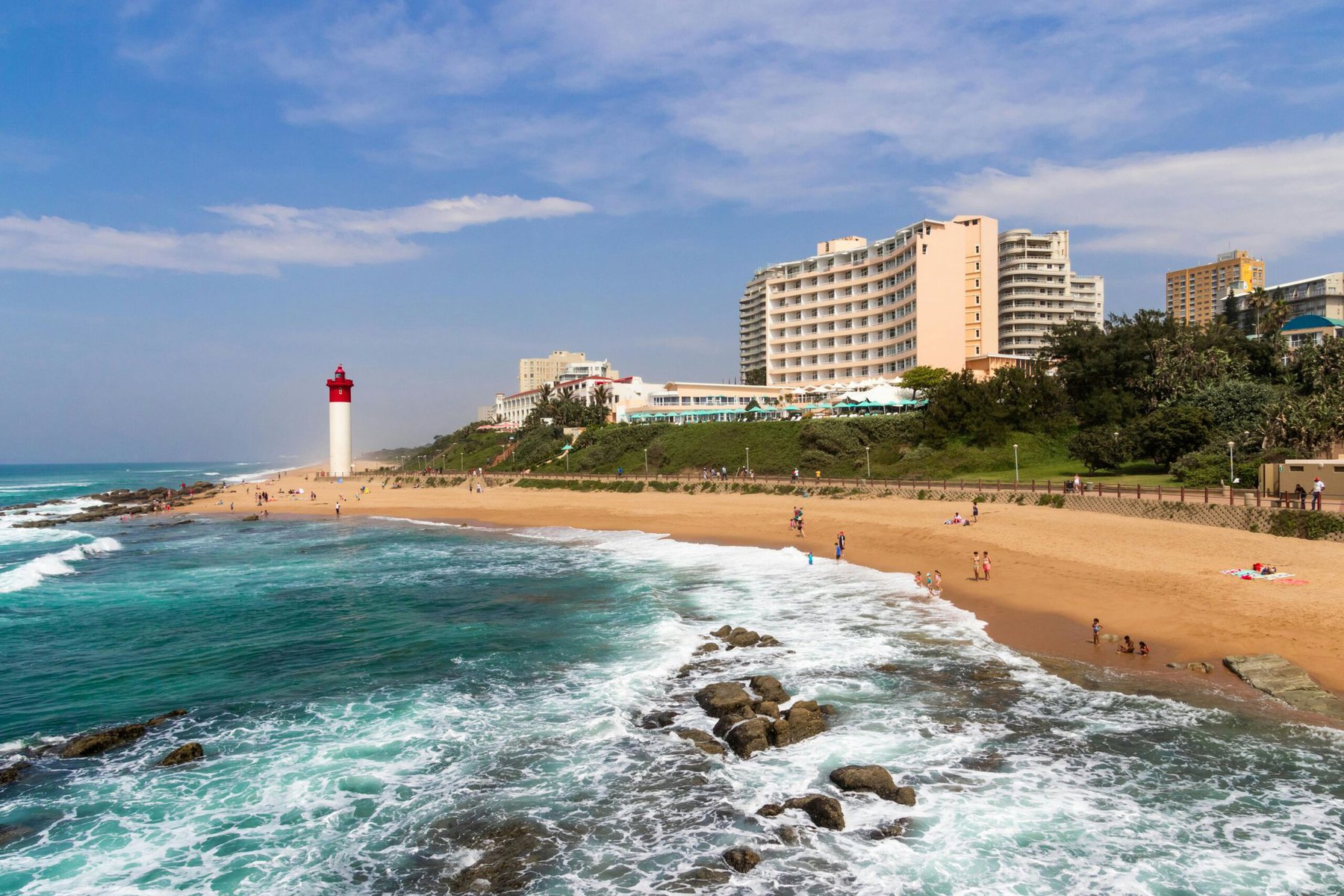
The region’s beaches of world-class quality are to be found along virtually every part of the South African coastline, making it a popular destination for both tourists and locals alike.
Natural Attractions and Phenomena
KwaZulu-Natal is known for its subtropical climate, with temperatures that may drop below freezing point on winter evenings in some areas of the northern part of the province. The province is washed by the warm Indian Ocean, contributing to a rich ecosystem that supports many sugar cane farms and coastal resorts.
North of Durban is locally referred to as the Zululand North Coast, where visitors can enjoy subtropical beaches and the salt rock north coast resort towns. This area is recognized for its least-developed gems found along the coastal stretch.
Port Edward, in its definition of the South Coast, and the North Coast resort towns, including Salt Rock, offer breathtaking views and blue flag beach status.
The phenomenon on the KwaZulu-Natal coast, often called the “greatest shoal on earth,” sees visitors come for the annual late autumn or early winter phenomenon on the KwaZulu-Natal coast.
During this time, game fish, dolphins, and seabirds migrate to the spawning grounds south of Durban, but eventually, the fish break up and disappear into deeper water around Durban.
Historical and Educational Significance
KwaZulu-Natal is the only province in South Africa bordered by Swaziland and Mozambique, as well as three other provinces and the countries of Mozambique and Swaziland. The provincial government has overseen significant growth in this region, with the area being officially renamed KwaZulu-Natal in 1994.
Educationally, the province hosts prestigious institutions such as the University of KwaZulu-Natal, University of Natal, and University of Durban-Westville, all supporting the growing urban area, with recent development milestones recognized in September 2024 and enhancing its intellectual landscape.
The province is divided into one metropolitan municipality, which encompasses Durban and its surroundings, known for being a growing urban area.
With its warm climate and a combination of natural beauty and historical significance, KwaZulu-Natal makes for an ideal destination for those seeking both adventure and education. Recognized in 2002, KwaZulu-Natal remains a province filled with attractions and opportunities.
Currie Group: Your Partner in Finding Warehouse and Office Space
Currie Group is a trusted partner for companies looking to find the ideal warehouse or office space in KwaZulu-Natal. With deep market expertise and a commitment to providing tailored solutions, Currie Group helps businesses navigate the diverse property landscape of the province, whether it’s for logistics, commercial use, or expanding operations.
Conclusion
KwaZulu-Natal offers remarkable experiences. It blends natural beauty with vibrant culture. Businesses can thrive here. Explore its potential. Discover KZN’s magic.
Properties In KwaZulu-Natal
No properties found.

