How Market Trends Shape Commercial Property
Commercial property refers to income-producing real estate designed for business purposes—offices, retail centers, warehouses, and mixed-use buildings that generate rental income or capital appreciation. A commercial building is a structure specifically designed for business use, such as office spaces, retail outlets, or warehouses.
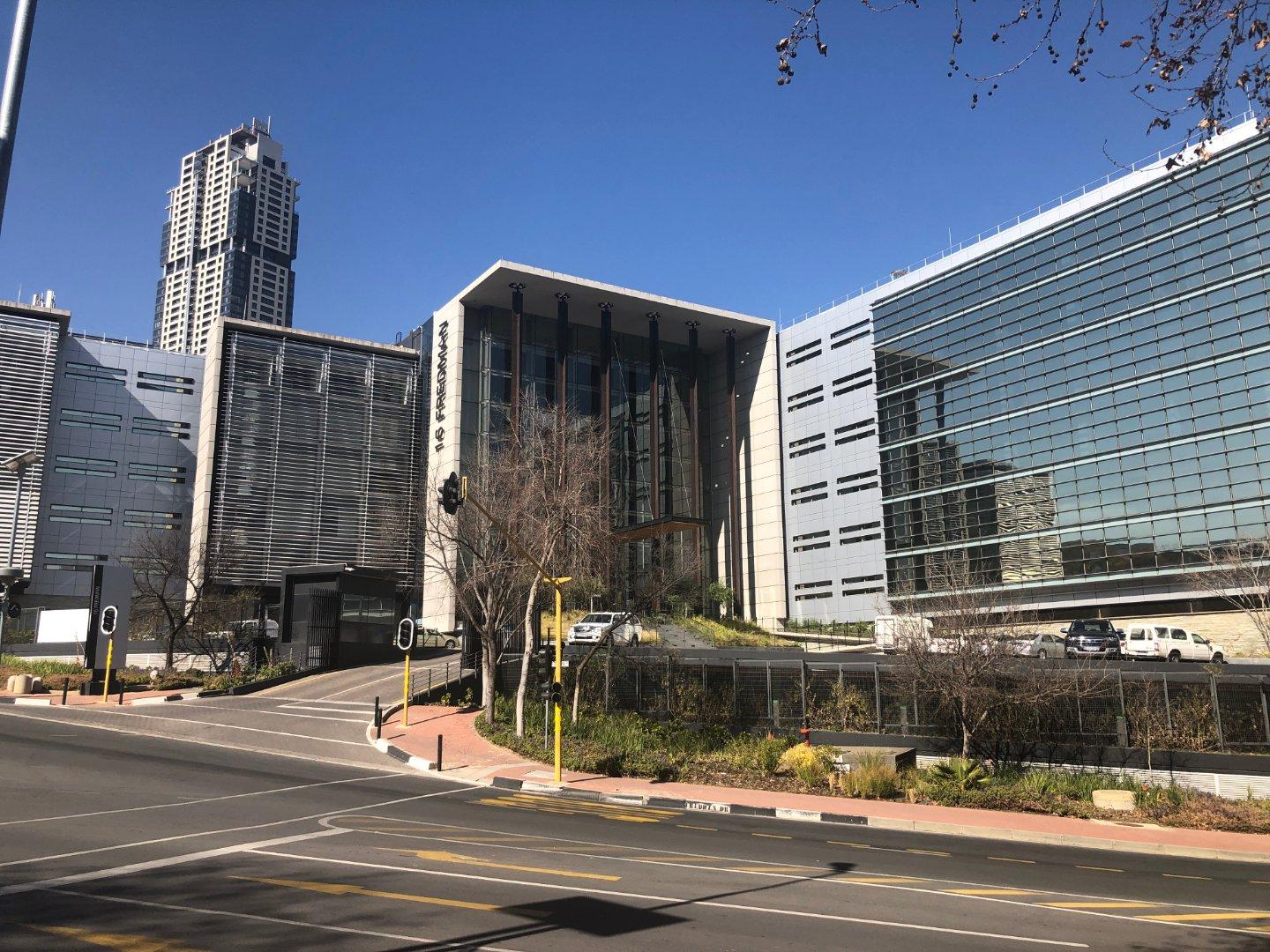
For investors, landlords, and tenants navigating the 2026 market, understanding this sector is essential. Think Grade A office towers in Sandton, logistics warehouses situated near Durban Harbor, or community malls in cities like Polokwane. Johannesburg is the largest commercial and industrial node in
South Africa, often referred to as the country’s economic powerhouse, has a diverse range of industries, including commercial, financial, industrial, and mining. Commercial real estate is commonly divided into six categories: office, retail, industrial, multifamily, hospitality, and land.
Commercial real estate is now tracked by indices such as Real Capital Analytics benchmarks and has become a core asset class in global portfolios since the early 2000s. Wider economic factors—interest rates, inflation, and employment trends—directly influence demand for office space, industrial parks, and retail.
Types of Commercial Property
Commercial property is usually split into categories based on use, tenant profile, and risk-return characteristics. There are a number of factors to consider when evaluating different commercial property types, such as prime location, tenant mix, and lease structure. Understanding these helps buyers and investors find opportunities that suit their goals.
Offices
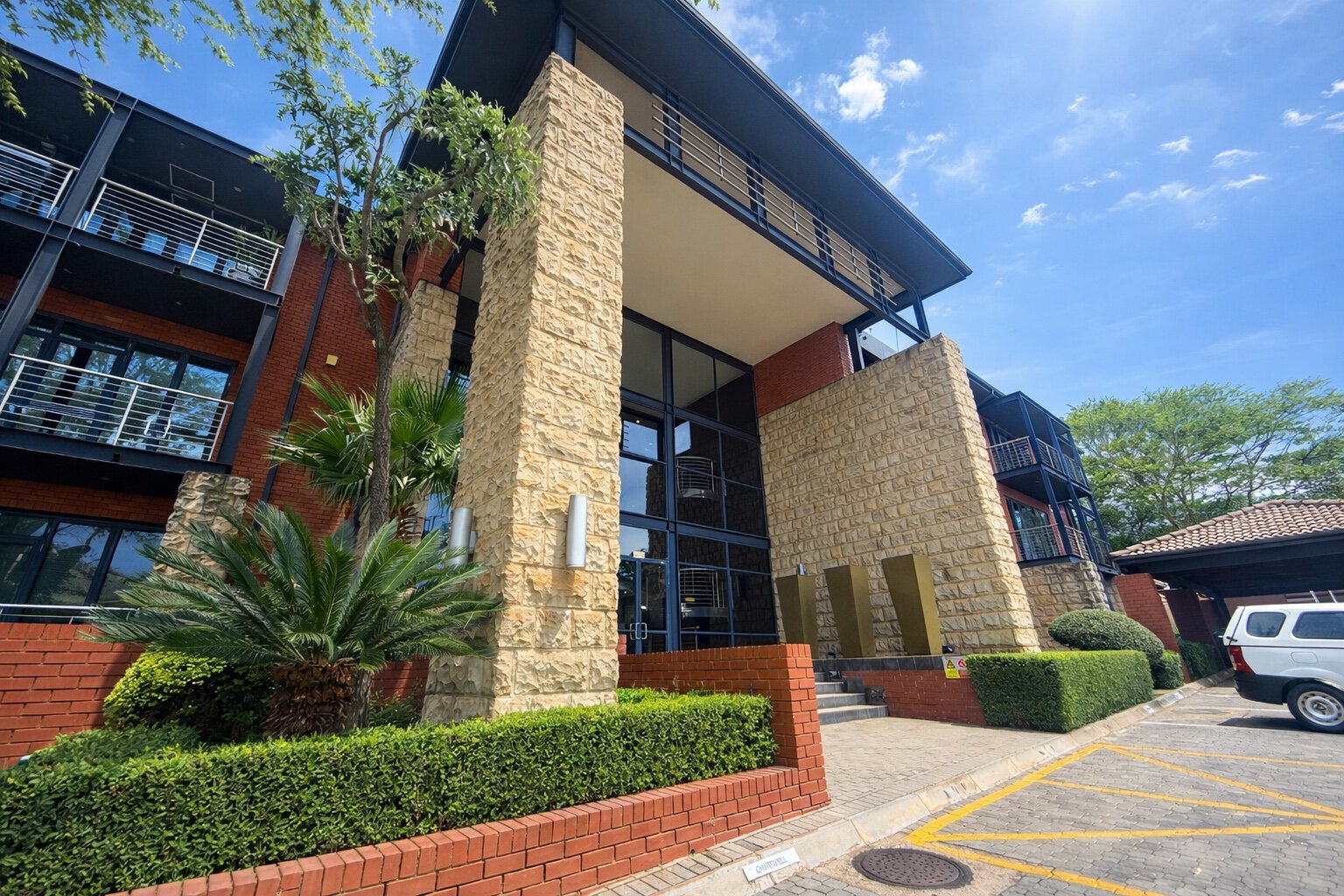
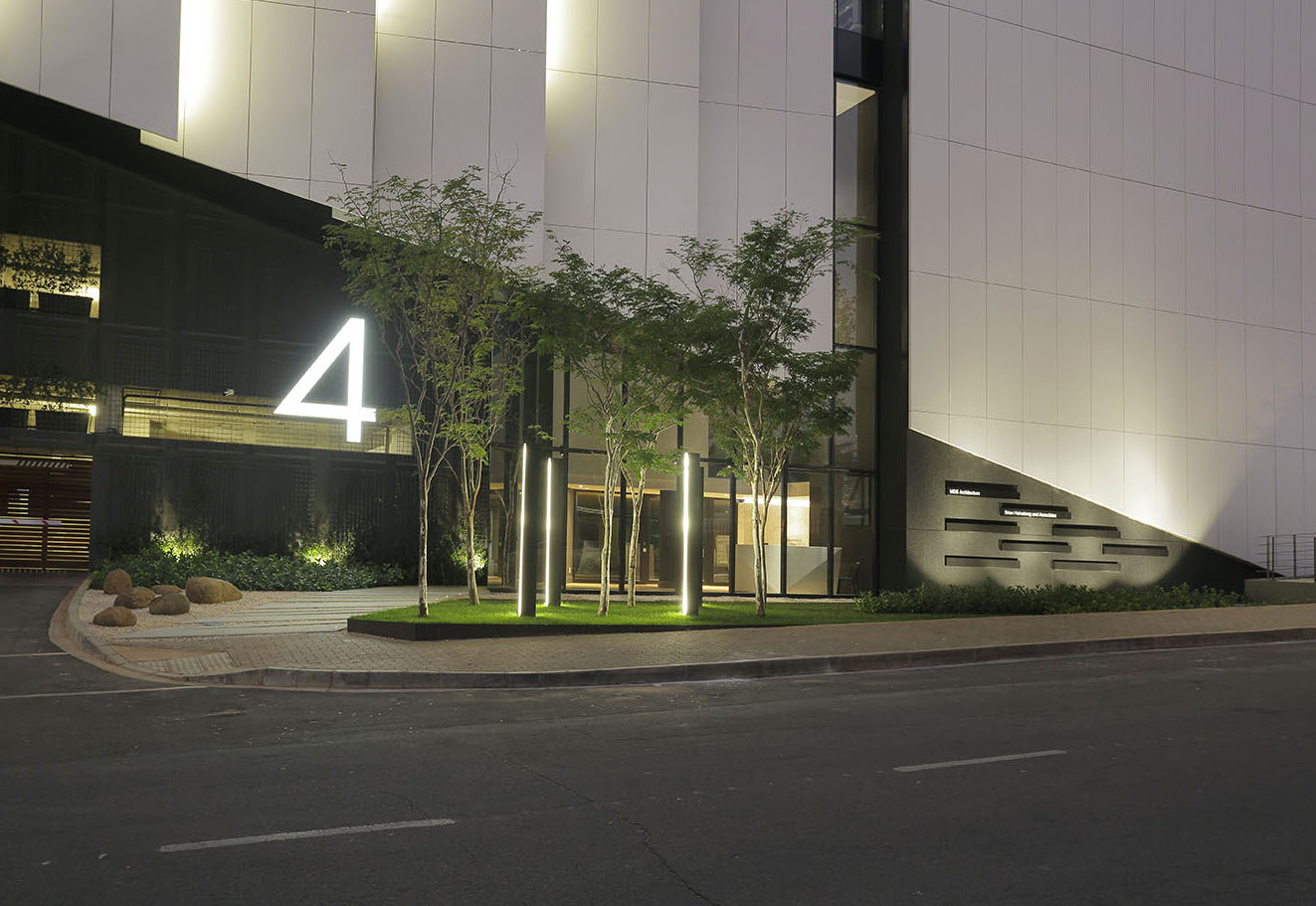
- Sandton CBD skyscrapers: 30-story towers in Johannesburg and Cape Town commanding R120–R230/m² in prime nodes
- Suburban office parks: Located along the N1 near Midrand and Bryanston, offering flexible floor plates at R90–R240/m²
- Medical office buildings: Located close to hospitals, achieving lower vacancy rates of around 4–6%
Retail Property
- Regional shopping centers: Sandton City and Mall of Africa draw 20–25 million annual visitors
- Neighborhood strip malls: Grocery-anchored centers maintaining 95%+ occupancy
- High-street shops: Rosebank and Umhlanga locations with experiential retail formats
Industrial Property
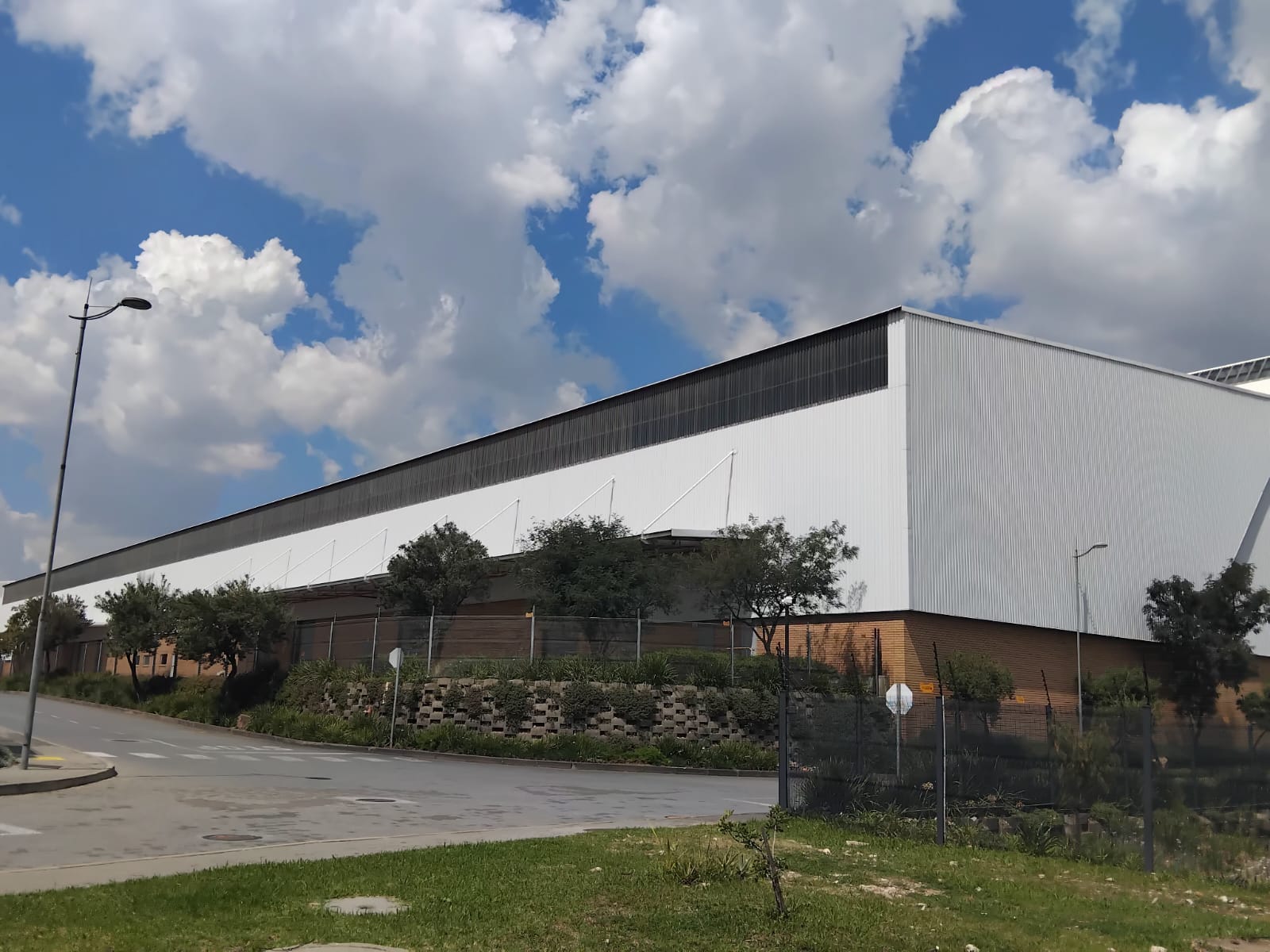
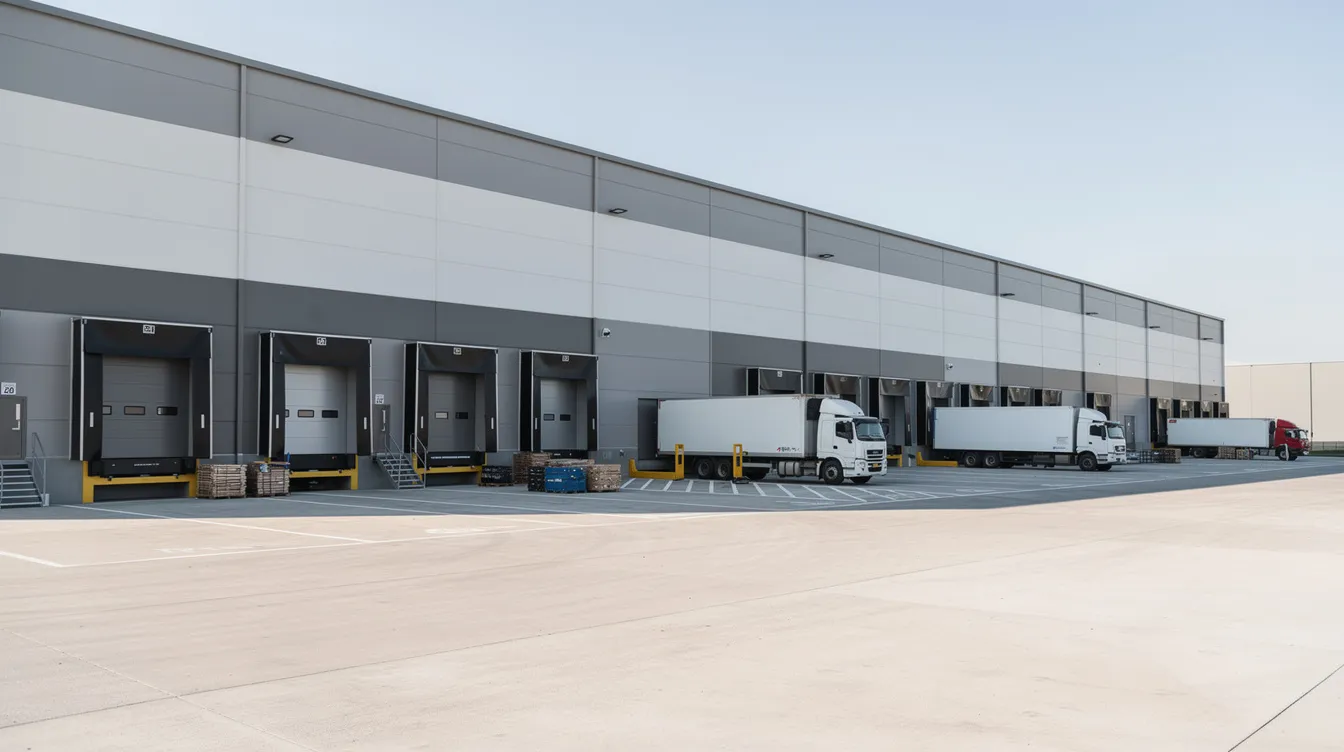
- Logistics warehouses: Modern facilities near OR Tambo International Airport with 12–15m eaves heights leasing at R55–R60/m²
- Manufacturing plants: Heavy-power facilities in Midrand or City Deep supporting automotive and pharma
- Medium-sized development sites: Available in key industrial estates, these sites are suitable for a range of business needs and strategic locations for growing companies.
- Last-mile delivery hubs: E-commerce-driven facilities for companies like Checkers Sixty60, achieving near-zero vacancies
Commercial properties include a variety of types such as malls, grocery stores, offices, industrial estates, and manufacturing shops.
Specialized Sectors Hotels saw average daily rates increase 8% YoY to R1,800 in 2025. Student accommodation yields 8–10% in university precincts like Hatfield. Data centers—such as Teraco’s 150MW facilities in Isando—serve the growing demand for AI, Zoom, and cloud services. Healthcare facilities expanded post-2020, with defensive returns of 5–7%.
Residential income property, such as multifamily apartments with five or more units, is treated as commercial when owned for investment. This differs from owner-occupied housing by prioritizing yield over lifestyle factors.
Commercial Real Estate Market Dynamics
Market dynamics are measured through prices, vacancy rates, new development volumes, and rent levels across cities and the sector. The US commercial property market was valued at approximately $6 trillion in 2018, while Europe faced $1–2 trillion refinancing waves between 2023 and 2026 amid rising rates.
Present market data highlights that commercial property performance metrics, such as sales prices, new building rates, and occupancy rates, are often used as indicators of business activity in a region or economy.
Performance Indicators
| Metric | South Africa Example (2025) |
|---|---|
| Prime industrial rental | R55–R60/m² (Gauteng region) |
| Office vacancy (B-grade CBD) | 15–20% |
| Logistics vacancy (N3 corridor) | Under 3% |
| Prime office rental (Sandton) | R550/m² |
Occupancy signals a healthy industry. Logistics parks along the N3 boast 97% occupancy driven by 15% YoY e-commerce growth, contrasting with softer demand in older office stock, where hybrid work reduced CBD requirements by 20–30%.
Key demand drivers in 2024–2026 include e-commerce logistics expansion, flexible workspace adoption, and increased need for healthcare and data infrastructure. Data sources include Stats SA quarterly reports, SARB property indices, and JLL market outlooks.
Commercial Property Transaction Process
A typical commercial deal moves from listing to closing over 3–6 months, though complex industrial sites may take 12+ months. Understanding the process helps buyers and property owners navigate each phase with confidence.
Marketing and Listing. Typically, a broker will market a property on behalf of the seller, while buyers or their representatives identify properties that meet their criteria. Agents prepare listing packs containing rent rolls, zoning certificates, capex histories, and teaser brochures. A 10,000 m² warehouse might generate R1 million in monthly tenant income, attracting serious buyers.
Buyer Screening and Inspections. Site inspections assess location (proximity to N1/N3 highways), tenant mix stability, lease expiry profiles, and value-add potential, such as rezoning for mixed-use. Buyers rely on this information to set their max price.
Letter of Intent (LOI) The LOI represents the buyer’s initial offer to purchase the property and outlines headline terms: price (e.g., R150 million for a Durban warehouse at an 8.5% cap rate), 10% deposit, 60-day due diligence period, and contingencies such as financing approval. The buyer and seller must agree on these headline terms before proceeding.
Purchase and Sale Agreement (PSA) The binding PSA specifies:
- Closing cost allocation (buyer pays transfer duty at 0.5–13% on values over R2.5 million)
- Tenant deposit handling
- Repair escrows (typically R1–2 million)
- Timelines for Phase 1 environmental assessments
Commercial loans often require larger deposits (typically 25%–35%) and shorter repayment terms than residential loans.
Due Diligence The transaction moves to the due diligence phase, where the buyer assesses the property in detail, including financial statements, rent rolls, and legal uses. This phase involves reviewing leases for escalation clauses (8–10% CPI-linked), verifying rental income via bank statements, checking compliance certificates, and commissioning structural surveys.
Environmental Site Assessments (ESA) may be required for older industrial properties to identify contamination liabilities. It is important to verify that the property is legally zoned for its intended use to avoid fines or demolition.
If the buyer terminates the transaction within the due diligence timeframe, the escrow deposit is commonly returned to the buyer; otherwise, it becomes non-refundable. A 2023 Sandton office sale revealed asbestos during diligence, prompting a reduction in the final price to R800/m².
Closing Funds transfer via escrow, title registration complete, and the new asset manager receives tenant contact details, service contracts, and building documentation.
Managing Empty or Underutilized Commercial Property for Property Owners
Vacancies arise from tenant failures after economic shocks (retail vacancies spiked to 25% during 2020–2021 lockdowns), shifting consumer patterns, or relocations to newer parks. Holding costs average R20–50/m² annually in security and rates.
Meanwhile, the UK’s MUL framework, introduced in 2009, offers flexible terms of 1–5 years at rents 20–50% below market rates. Similar concepts apply locally, allowing vacant storefronts to be let to charities, artists, or startups while preserving the landlord’s right to reclaim the property for commercial use.
Benefits to Landlords
- Reduced vacancy holding costs by 40–60%
- Improved street activation deterring crime
- Maintained building services, awaiting anchor tenants
Case Study A 2,000m² former supermarket in East London was repurposed from 2022 to 2024 as a community health clinic and co-working space via a 2-year lease at R30/m². This generated R720,000 annual income, reducing owner losses by 70% before reletting to a gym at market rates.
Comparing Commercial and Residential Property Investments
Investors often weigh commercial property against residential rentals when building a balanced portfolio. Each offers distinct advantages. A home is typically purchased for personal use and comfort, providing a sense of security and personal space, while commercial property is generally acquired as an investment vehicle.
| Factor | Commercial | Residential |
|---|---|---|
| Typical lease term | 3–10 years | 12 months |
| Net yield (2025 metro) | 9% (warehouse) | 6% gross (apartment block) |
| Equity requirement | 20–40% LTV | 10–20% LTV |
| Fit-out costs | Higher (cold storage, loading docks) | Lower (standard finishes) |
Commercial properties are usually leased to tenants who operate businesses, offering higher potential rental yields but also higher risks compared to residential real estate.
Commercial leases often use a triple-net (NNN) structure, in which a company tenant pays taxes, insurance, and maintenance. Leasing to a company under such terms can provide more stable income and professionalism compared to individual tenants, but requires careful vetting of tenant creditworthiness.
Valuation also differs: commercial uses income capitalization (NOI divided by cap rate), while residential pricing is driven by comparable sales and owner-occupier sentiment.
REITs and Indirect Investment in Commercial Property
Real estate investment trusts (REITs) allow investors to access commercial real estate by buying shares, rather than purchasing an entire building. By investing in REITs, individuals can gain exposure to a diversified portfolio of commercial properties without directly owning or managing them.
Investing in commercial property, whether directly or through REITs, requires evaluating the asset’s financial performance, physical condition, and surrounding market dynamics.
Each share represents fractional ownership and entitles investors to dividends from rental income. A diversified REIT might hold offices in Johannesburg and Cape Town, logistics assets near Durban and Gqeberha, and retail centers in secondary towns.
| Aspect | Direct Ownership | REIT |
|---|---|---|
| Liquidity | 6–12 month sale | Daily trading |
| Transaction costs | 5–8% | 1–2% |
| Management burden | High | None |
REITs formalized in major markets during the 2000s and have grown as a recognized asset class, offering 7–10% dividend yields.
Key Considerations Before Investing in Commercial Property
Before committing capital in 2026, use this checklist to ensure you meet your investment objectives.
Area Analysis
- Proximity to N1, N3, N12 highways
- Access to Gautrain stations and Durban Harbor
- Established nodes: Sandton, Rosebank, City Deep
Tenant and Lease Review
- Credit vetting via CIPC and bureaus
- Lease expiry profiles (no >20% expiries within 24 months)
- Escalation clauses (target 8% minimum)
Financial Modelling
- Project 5–10 year IRRs of 12–15%
- Factor 8–9% interest rates, 1–2% maintenance reserves
- Budget R50/m² refurbishment capex
Compliance Checks
- Zoning confirmations from municipal plans
- OHS and NHBRC approvals
- Environmental assessments for industrial land
Exit Strategy
- Trade sale targeting cap rate compression
- Adaptive reuse (offices to residential)
- REIT internalization
Whether evaluating an office tower, retail center, or warehouse today, applying these principles positions you for informed decisions. Find experienced agents to guide complex deals, trust established area data, and contact specialists when structuring transactions that require professional expertise.